Dog Haircuts: Styles Costs Easy and Grooming Tips
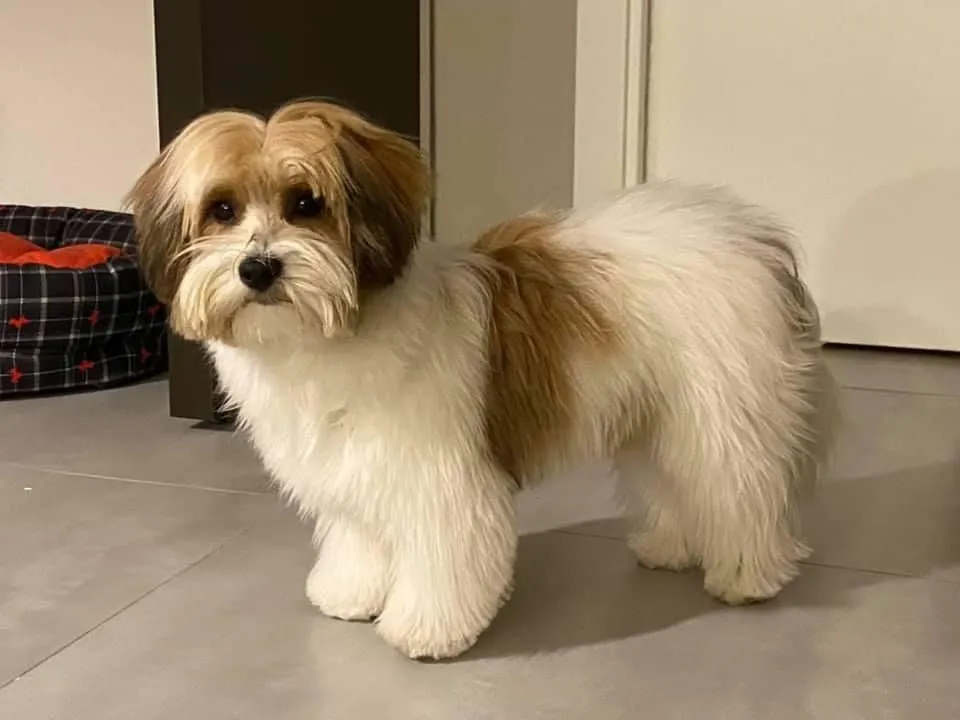
Let’s be honest, most dog owners think about dog haircuts the way they think about their own dentist appointments. You know it needs to happen. You keep putting it off. And then one day your golden retriever walks past, and you realize they look less like a dog haircuts and more like a small, blinking haystack.
Sound familiar? You’re in good company.
Table of Contents: Dog Haircuts
Dog haircuts are one of those things that seem complicated until someone actually walks you through them. And once you understand the basics, the right cut for your dog’s breed, coat type, and lifestyle, the whole process makes a lot more sense. Whether you’re considering taking your dog to a professional groomer, learning to do it yourself at home, or just trying to figure out which style suits your pup best, this guide has you covered.
Why Dog Haircuts Matter More Than Just Looks
Here’s something that surprises a lot of first-time dog owners: dog haircuts aren’t primarily about aesthetics. Sure, a well-groomed dog looks great. But regular haircuts and coat maintenance are genuinely important for your dog’s health and comfort.
Dogs with long or thick coats that go ungroomed can develop mats, tight tangles of fur that pull on the skin, trap moisture, and become painful over time. Severe matting can restrict movement, cause skin infections, and in bad cases, hide wounds or parasites underneath. A dog that looks fluffy from the outside can actually be in real discomfort if their coat hasn’t been properly managed.
Beyond matting, certain dog haircut styles help regulate body temperature. This is especially true in warmer climates. A well-timed summer trim can make a huge difference in how comfortable your dog feels during the hot months. On the flip side, shaving a double-coated breed like a Husky or Golden Retriever, despite popular belief, can actually damage their natural insulation. More on that in a bit.
Regular grooming also gives you a chance to check your dog’s skin, ears, and overall condition. A good groomer, or a careful owner, spots lumps, rashes, hot spots, and early signs of infection that might otherwise go unnoticed. So, that monthly dog haircut appointment? It’s doing more than you think.
Understanding Your Dog’s Coat Type Before Choosing a Haircut
Not all dogs are cut from the same cloth, literally. The right dog haircut depends almost entirely on the type of coat your dog has. Getting this wrong is one of the most common grooming mistakes people make.
Single-Coat vs. Double-Coat
A single-coat dog has just one layer of fur. Think Poodles, Shih Tzus, Maltese, and Yorkshire Terriers. These dogs don’t shed much, but their hair grows continuously, just like human hair. They need regular dog haircuts to keep the coat manageable and tangle-free.
A double-coat dog has a soft, dense undercoat beneath a coarser outer layer. Breeds like Labradors, Huskies, Golden Retrievers, and German Shepherds fall into this category. These dogs shed seasonally and don’t need haircuts in the traditional sense, what they need is regular brushing and deshedding. Shaving a double-coated dog can actually damage the coat’s structure and interfere with its ability to regulate body temperature. So if you have a double-coated breed, skip the shave and talk to your groomer about deshedding treatments instead.
Curly and Wavy Coats
Poodles and Doodle mixes, Goldendoodles, Labradoodles, Cavapoos, have curly or wavy coats that are absolutely adorable but demand consistent grooming. Without regular dog haircuts, these coats mat quickly and become almost impossible to brush out without causing pain. Most owners of curly-coated dogs schedule professional grooming every six to eight weeks.
Wire and Rough Coats
Schnauzers, Airedales, and many terrier breeds have a wiry, rough coat that has its own grooming tradition. Rather than scissor-cutting, these coats are traditionally “stripped” a technique where dead hair is pulled out by hand to preserve the texture. Many owners opt for standard dog haircuts instead, which softens the coat texture over time but is much easier to maintain at home.
The Most Popular Dog Haircut Styles Explained
Now for the fun part. There are dozens of dog haircut styles out there, and choosing one can feel overwhelming. Here are the most popular cuts, what they look like, and which breeds they suit best.
The Puppy Cut
Despite the name, the puppy cut isn’t just for puppies. It’s one of the most popular dog haircut styles for small breeds of any age. The coat is trimmed to a uniform length all over the body, usually one to two inches, giving the dog a soft, rounded, youthful appearance. It’s easy to maintain, doesn’t require frequent salon visits, and suits breeds like Shih Tzus, Bichon Frises, Cocker Spaniels, and Poodles beautifully.
If you’re new to grooming or your dog gets anxious during long sessions, the puppy cut is a great choice. It’s simple, clean, and universally flattering.
The Teddy Bear Cut
The teddy bear cut is similar to the puppy cut, but with a specific focus on the face, the fur around the muzzle and head is left fuller and rounded to create that soft, stuffed-animal look that makes everyone in the park stop and say “oh my goodness.” It’s especially popular for Doodle mixes, Bichons, and Pomeranians.
This is hands-down one of the most requested dog haircuts at professional grooming salons right now. If your dog has a naturally round face and fluffy coat, a skilled groomer can turn this into something that stops traffic.
The Lion dog haircuts
Bold choice, but hear it out. The lion cut leaves the fur long around the head, neck, and chest, creating a mane, while trimming the body short and leaving a puff at the end of the tail. It looks exactly how it sounds. Chows, Pomeranians, and some small breeds like the Löwchen are traditional candidates for this style, but it’s become popular across a wider range of dogs with the right coat type.
It’s a dramatic dog haircut style, no question. But done well, it’s genuinely stunning, and it keeps the body cool while leaving that beautiful head fur intact.
The Kennel Cut (or Utility dog haircuts)
This is the practical, no-fuss option. The kennel cut means the coat is clipped short all over, usually with a clipper rather than scissors, for easy maintenance. It’s not the most glamorous of dog haircuts, but it’s incredibly practical for active dogs, dogs that spend time outdoors, or owners who want to stretch the time between grooming sessions.
Summer is the most popular time for this cut, and for good reason. A short, tidy coat is cooler, easier to clean after muddy walks, and dries faster after baths.
The Schnauzer Cut
Schnauzers have their own signature look, and it’s iconic enough that it’s named after them. The body is clipped short, but the legs are left longer and feathered, and the beard and eyebrows are kept full and defined. It gives the dog a distinguished, almost gentlemanly appearance that Schnauzer owners adore.
This dog haircut style requires some skill to execute well. The transition between the clipped body and the longer leg fur needs to blend cleanly, and the beard needs to be shaped rather than just left to grow. A groomer experienced with Schnauzers will know exactly what to do.
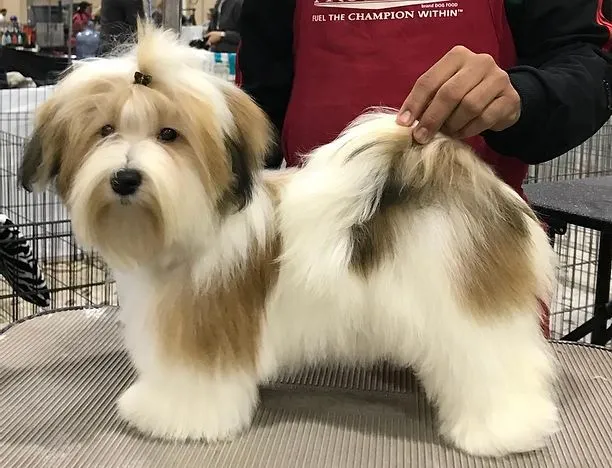
The Poodle Cut (Continental or Modern)
Poodles have a whole tradition of elaborate dog haircut styles, the most famous being the Continental clip, where the hindquarters are shaved, pom-poms are left on the hips and ankles, and the face and body are shaped and styled. It looks theatrical, and that’s kind of the point.
Most pet owners opt for the more practical Modern Poodle clip, which keeps the coat a manageable length all over while still maintaining the Poodle’s elegant silhouette. Show dog haircuts get the full Continental treatment, but for everyday life, a clean, modern cut works beautifully.
Dog Haircuts at Home: What You Actually Need
More and more owners are trying dog haircuts at home, and honestly? For some dogs and coat types, it’s very doable. Here’s what you need to get started.
The Right Clippers
Not all clippers are built for dog fur. Human hair clippers often aren’t powerful enough and can snag on a dog’s coat. Invest in a clipper designed specifically for dogs; brands like Andis, Wahl, and Oster are consistently recommended by professional groomers. Look for a quiet motor if your dog is noise-sensitive, and check that the blade is appropriate for your dog’s coat length.
Grooming Scissors
A pair of straight shears for general trimming, and a pair of curved or thinning shears for blending, these are the basic tools for at-home dog haircuts. Keep them sharp. Dull scissors pull instead of cut, and that’s uncomfortable for your dog and frustrating for you.
A Quality Brush and Comb
Always brush and detangle before you cut. Trying to cut through matted or tangled fur causes uneven results and can hurt your dog. A slicker brush, a dematting comb, and a greyhound comb (that long metal comb you’ve probably seen groomers use) are the core tools of any at-home grooming kit.
A Grooming Table or Non-Slip Mat
Working on a stable, elevated surface helps enormously. Your dog can’t fidget as easily when they’re on a grooming table, and your back will thank you for not hunching over the bathroom floor. A rubber non-slip mat on any flat surface can work as a budget alternative.
Patience and Treats
Non-negotiable. Dog haircuts at home go much better when you build the experience around positive reinforcement. Treat generously. Take breaks. If your dog is done for the day, respect that, you can always finish tomorrow.
How to Give Your Dog a Haircut at Home: A Practical Walkthrough
If you’ve gathered your tools and you’re ready to try your first at-home dog haircut, here’s how to approach it.
Start with a bath. Clean fur cuts more evenly than dirty fur. Use a dog shampoo appropriate for your pup’s coat type, rinse thoroughly, and dry completely before you start cutting. Never cut wet fur, it stretches when wet and then shrinks when dry, which leads to an uneven length you didn’t intend.
Brush everything out. Work through the entire coat before you touch a clipper or scissor. Find any mats and work them out gently with a dematting comb or detangling spray. If a mat is severe, don’t try to cut through it, work around it or, if it’s truly stuck, cut it off carefully with scissors, keeping the blade parallel to the skin to avoid cutting your dog haircuts.
Start with the body. Clip in the direction of hair growth for a natural, smooth result. Go against the grain if you want a shorter, closer cut. Work methodically, neck to back, sides, then belly. Keep the clipper moving steadily; stopping in one spot creates lines.
Leave the face for last. The face is the most sensitive area and the most likely to make your dog nervous. Use scissors rather than clippers around the face, eyes, and ears. Work slowly. Keep the scissors pointed away from the eyes. Trim the fur around the eyes just enough to clear their line of sight, you don’t need to go further than that.
Check your work. Step back and look at the whole dog. Run your hands over the coat to feel for uneven patches. Use thinning shears to blend any harsh lines between different lengths.
Reward everything. At the end of a successful dog haircut session at home, make it a celebration. Treats, praise, a walk, whatever your dog loves most. You want the memory of grooming to be a positive one.
When to Go to a Professional Groomer
Doing dog haircuts at home is great for maintenance between professional visits, but there are times when a groomer is simply the better call.
If your dog’s coat is severely matted, a professional groomer has the tools and experience to handle it safely without hurting the dog. If your dog gets extremely anxious or aggressive during grooming, a groomer who specializes in nervous dogs can make the experience far less stressful for everyone. And if you want a specific, complex style, a show-quality Poodle cut, a perfectly shaped Schnauzer beard, a precise lion cut, a skilled groomer will deliver results that home grooming simply can’t match.
A good professional grooming appointment for dog haircuts typically includes a bath, blow-dry, full cut and style, nail trim, ear cleaning, and sometimes a spritz of dog-safe cologne. It’s a complete service, and for many dogs and owners, it’s worth every penny.
Most groomers recommend scheduling dog haircut appointments every four to eight weeks, depending on your dog’s coat type and the style you want to maintain. Waiting longer than that between sessions, especially for fast-growing coats like Poodles and Doodles, means more work and more cost each visit.
Breed-Specific Dog Haircut Tips at a Glance
Different breeds come with different expectations and challenges. Here’s a quick reference.
Poodles and Doodles: High-maintenance coats that need cuts every six to eight weeks. Prone to matting without consistent brushing between sessions. Almost any dog haircut style works well on them.
Shih Tzus: Long, flowing coats that are stunning but demanding. The puppy cut or teddy bear cut are the most practical options for pet owners. The full show coat requires daily brushing and is a serious commitment.
Yorkshire Terriers: Silky, straight coats that grow continuously. Many owners keep Yorkies in a shorter dog haircut for practicality, though the long, floor-length show coat is truly beautiful on a well-maintained dog.
Cocker Spaniels: The classic spaniel coat has longer feathering on the ears, legs, and belly. Regular trimming keeps it looking tidy and prevents matting in the feathered areas.
Schnauzers: The signature cut is distinctive and worth learning, but requires practice to get the blending right. Find a groomer who specializes in Schnauzers if you want it done perfectly.
Huskies and Golden Retrievers: Skip the dog haircuts. These double-coated breeds need deshedding, not shaving. A good deshedding treatment and regular brushing is the right approach.
A Few Things People Get Wrong About Dog Haircuts
Let’s clear up some persistent myths before wrapping up.
Myth #1: Shaving your dog keeps them cooler in summer. For single-coated breeds, a short dog haircut can help with heat. But for double-coated breeds, the undercoat actually insulates against both cold and heat. Shaving removes that natural protection and can cause “post-clipping alopecia” a condition where the coat doesn’t grow back properly.
Myth #2: Dogs don’t need dog haircuts in winter. Actually, coat length in winter depends on your dog’s lifestyle. If your dog spends a lot of time outdoors in cold weather, keeping their coat longer makes sense. But if they’re primarily indoors, their dog haircut schedule doesn’t need to change dramatically with the seasons.
Myth #3: You can cut a mat out with scissors. You can, but it’s risky. Mats sit close to the skin, and it’s very easy to accidentally cut the skin underneath while trying to remove one. If you’re dealing with a significant mat, use a dematting tool to work it out or let a groomer handle it.
Dog Haircuts: Building a Grooming Routine That Actually Works
The best dog haircut strategy isn’t a one-time thing, it’s a routine. And routines are so much easier to maintain when they’re built around your real life rather than some ideal schedule.
Figure out how fast your dog’s coat grows and how long you’re comfortable letting it go between full cuts. Build your brushing schedule around that, most dogs benefit from brushing two to three times per week at minimum, and daily brushing for longer or curlier coats. Keep your clippers and scissors clean and properly stored so they stay sharp and ready to use.
And honestly? Get to know your groomer. A good groomer who understands your dog’s personality and coat history is worth their weight in gold. Share notes between visits. Let them know what works and what doesn’t. That relationship, between owner, groomer, and dog, is what makes dog haircuts a positive, routine part of your pet’s life rather than a stressful ordeal.
Dog Vaccination Schedule: Easy Complete Guide by Age
Final Thoughts
Dog haircuts are one of those things that seem like a lot of effort until you figure out your rhythm. Then they just become part of life with your dog, a regular Tuesday or Sunday thing that keeps them comfortable, healthy, and looking their absolute best.
Whether you’re learning to do it yourself, building a relationship with a groomer you trust, or somewhere in between, the most important thing is consistency. Regular grooming protects your dog’s coat, keeps their skin healthy, and gives you regular eyes on how they’re doing overall.
A well-groomed dog is a comfortable dog. And a comfortable dog is a happy one. That’s really what all of this comes down to.
FAQs: Dog Haircuts
Q1. How often should I get my dog a haircut?
It really depends on your dog’s coat type and the style you’re maintaining. Most dogs with continuously growing coats, like Poodles, Doodles, Shih Tzus, and Yorkies, do best with a professional grooming appointment every four to eight weeks. If you’re brushing regularly at home between sessions, you can sometimes stretch that a little longer. But the moment you start hearing the words “significant matting” from your groomer, it’s a sign you’re waiting too long between visits.
Q2. Can I give my dog a haircut at home, or should I always go to a groomer?
Honestly, both are valid, it just depends on your dog’s temperament, coat type, and how confident you feel. Simple styles like the puppy cut or a basic trim are very manageable at home with the right clippers, scissors, and a whole lot of patience. That said, complex styles like the Schnauzer cut or a Continental Poodle clip are best left to a professional groomer who knows the breed well. Many owners find a good middle ground: professional grooming every six to eight weeks, with light maintenance trims at home in between.
Q3. Is it safe to shave my double-coated dog haircuts in summer to keep them cool?
This is one of the most common grooming myths out there, and the answer is no. Shaving a double-coated breed like a Husky, Golden Retriever, or Labrador actually does more harm than good. Their undercoat acts as natural insulation, keeping them cool in summer and warm in winter. Removing it disrupts that system and can even lead to a condition called post-clipping alopecia, where the coat doesn’t grow back the way it should. Instead of shaving, ask your groomer about a proper deshedding treatment, it removes the dead undercoat without damaging the protective outer layer.
Q4. What’s the difference between a puppy cut and a teddy bear cut?
They’re close cousins, but there’s one key difference: the face. A puppy cut trims the entire coat to a uniform short length all over the body and head. A teddy bear cut does the same for the body but leaves the fur around the face fuller and rounded, giving your dog that soft, stuffed-animal look that’s become incredibly popular, especially on Doodle breeds and Bichons. If your dog has a naturally round face, a good groomer can shape the teddy bear cut into something that genuinely stops people in their tracks.
Q5. What should I do if my dog has severe matting before a haircut?
First, don’t try to cut through a bad mat with scissors; it sits too close to the skin, and the risk of accidentally cutting your dog is real. For mild matting, a dematting comb and a good detangling spray can work wonders if you’re patient and gentle. For severe matting, the honest answer is to take your dog to a professional groomer. They have the right tools and experience to remove mats safely, and in serious cases, they may need to shave the affected areas entirely and start fresh. After that, consistent brushing, two to three times a week at minimum, is what keeps it from happening again.
Want to be notified when Claude responds?Notify

Post Comment