Puppy Socialization: Complete Easy Timeline and Checklist 2026
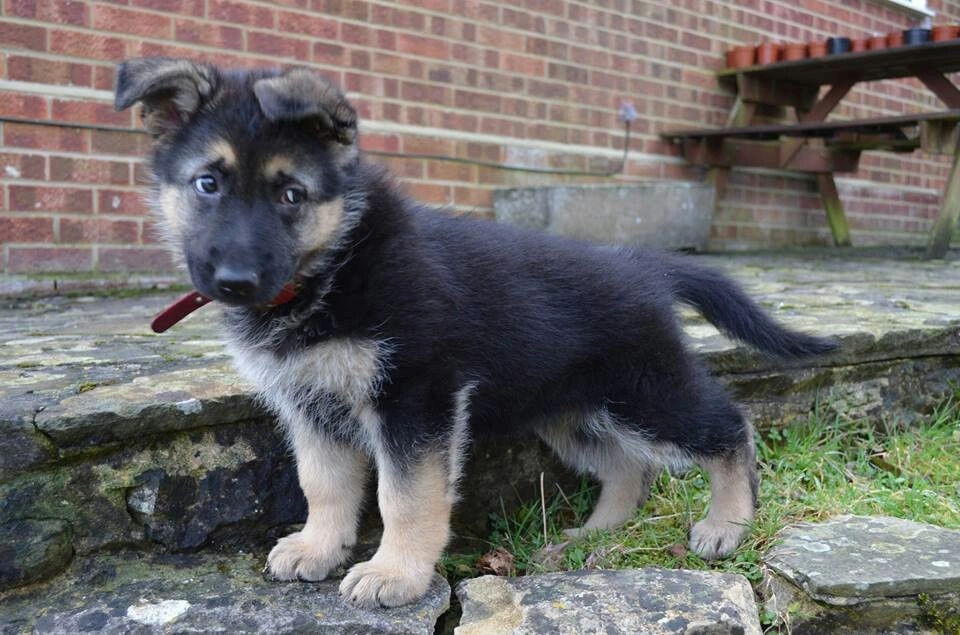
Puppy socialization is vital for your dog. Many people either start too late or aren’t sure how to do it correctly. This guide will fix that.
Table of Contents
You bring home a tiny, wiggly puppy and immediately fall in love. You want to protect them, keep them safe, and give them the best possible life. So it’s completely natural to feel hesitant about exposing them to the big, loud, unpredictable world too soon.
But here’s the thing waiting too long is actually the bigger risk. Early puppy socialization is key. It helps your dog grow confident and curious. Without it, your pup may become anxious or reactive. They might fear things that shouldn’t be scary at all.
This guide covers puppy socialization. It explains what it means, why timing is key, and how to do it. This will help your pup develop good behavior and emotional health for life.
What Is Puppy Socialization, Really
Puppy socializations involves introducing your puppy to various people, animals, sounds, places, and experiences. It should always feel safe and positive for them. The goal isn’t just exposure. It’s about helping your puppy form good associations with the world around them.
Think of it this way: every new thing your puppy encounters during the socialization window is being filed away in their brain. “Is this thing safe? Is it fun? Should I be scared?” The more good experiences they collect early on, the more confident and adaptable they become as adult dogs.
Socializing a puppy is different from just “taking your dog places.” It’s intentional, thoughtful, and structured. It means reading your puppy’s body language, going at their pace, and never pushing them past their comfort zone in ways that could backfire.
Key Insight
Puppy socialization is less about how many experiences a puppy has and more about how good those experiences are. One overwhelmed, frightened outing does more harm than ten calm, pleasant ones.
The Critical Socialization Window
Here’s where the science gets really interesting. Dogs go through a specific developmental stage called the critical socialization period, which runs roughly from 3 to 12–14 weeks of age. During this window, a puppy’s brain is uniquely wired to take in new experiences, responding with curiosity rather than fear.
Before this window closes, puppies exhibit a natural curiosity and openness. After it closes, their brains go into a cautious mode. This makes sense for survival, like it did for wild dogs. However, it also makes introducing new things much harder. A dog that hasn’t seen stairs by 12 weeks might experience genuine terror when encountering them at 6 months. Not because stairs are scary, but because that early openness is gone.
3–5 Weeks
Leash Training Your Dog: Easy Step-by-Step Techniques
Early Socialization Begins with the Breeder
Responsible breeders start puppy socialization before you even meet your dog. Gentle handling, everyday sounds, and meeting new people all help your puppy’s brain develop for life.
6–8 Weeks
The Prime Learning Phase
This is peak socialization territory. Puppies are sponges right now. Every positive experience a friendly stranger, a car ride, the sound of a vacuum helps wire their brain for confidence. This is also when most puppies come home, so the baton passes to you.
8–12 Weeks
Your Most Valuable Window
This stretch is arguably the most important time in your puppy’s life. Puppy socialization experiences during this phase have a disproportionately large impact. Go wide new surfaces, new people, new sounds, gentle handling but always keep it positive.
12–16 Weeks
The First Fear Period
Many puppies hit a fear period around this age where things that didn’t bother them before suddenly seem scary. Don’t panic this is normal. Keep socializing, but be extra gentle and patient. Pushing through fear here can create lasting negative associations.
Most veterinary and behavioral experts agree: the puppy socialization window is too important to wait on. Socialize your puppy even before vaccinations are complete. Join puppy classes, visit friends with vaccinated dogs, and take safe outings to low-risk public places. It’s beneficial and helps manage risks.
A dog is more likely to have behavior problems from poor socialization than to get sick in most well-managed settings. American Veterinary Society of Animal Behavior
What Should Puppy Socialization Include?
A thorough puppy socialization plan covers five broad categories. Think of it like a checklist — not something to complete quickly, but something to revisit with purpose during those first few months.
1. People of All Kinds
Your puppy needs to meet people with different appearances, voices, and movements. This includes kids who run and shout, older adults who walk, folks in hats or sunglasses, those with beards, and people holding umbrellas or bags. Each of these, to a puppy, can look like a completely different kind of creature.
Men and women of different ages
Children (with supervision and proper introductions)
People in uniforms mail carriers, delivery drivers
People using mobility aids wheelchairs, walkers, canes
People wearing helmets, hats, or hoods
2. Other Animals
Socializing a puppy with other animals is about more than other dogs. Walking with cats, small animals, livestock, and birds helps your dog stay calm around other species for life.
When it comes to other dogs, make sure the dogs your puppy meets are vaccinated, friendly, and well-tempered. Puppy classes are ideal for this they’re specifically designed to let dogs interact safely in a controlled setting.
3. Environments and Surfaces
Surfaces matter more than most people realize. Grass, gravel, tile, hardwood, metal grating, sand, and mud all feel different to a puppy. A dog that has never walked on slippery floors may panic as an adult. Let your puppy explore different textures with you right beside them, ready to encourage and reward confidence.
Different floor surfaces, indoors and outdoors
Stairs and ramps
Elevators (if relevant to your lifestyle)
Urban environments, traffic, crowds, and city noise
Rural environments, open fields, and livestock sounds
4. Sounds
Sound sensitivity can cause anxiety in adult dogs. However, early socialization in puppies can greatly lower this risk. The earlier your puppy hears loud sounds like thunderstorms, fireworks, or vacuum cleaners, the better. Pair these noises with something positive, like treats or calm praise. This way, your puppy is less likely to develop a phobia later.
Pro Tip
You can find free “puppy socialization sound playlists” on YouTube and Spotify. They’re made just for this purpose. Play them softly in the background during meals or playtime, then gradually increase the volume over days and weeks.
5. Handling and Grooming
A dog who can’t be touched who panics at nail trims, ear cleaning, or veterinary exams is a dog with a real quality-of-life problem. socialization should help your dog feel at ease with being touched everywhere: ears, paws, mouth, and tail. Daily gentle handling sessions with high-value treats can make vet visits and grooming much easier for everyone.
How to Socialize Your Puppy: Step-by-Step
Good puppy socialization isn’t random; it’s structured. Here’s a practical plan for both an 8-week-old Labrador and a 14-week-old rescue mix.
Begin at a gentle pace and allow your puppy to take the lead.
Never push your puppy toward something they’re clearly afraid of. If your pup plants their feet, tries to flee, or shows stress signals yawning excessively, tail tucked, whale eye, ears flat back up. Give them space. Let them choose to approach on their own terms. That choice builds confidence in a way that forcing them never will.
Pair New Experiences with Something Great
This is positive reinforcement at its most practical. When your puppy sees something new, like a loud truck or a stranger reaching out to pet them, give a high-value reward right away. Soft treats, enthusiastic praise, a quick game of tug. You’re essentially teaching your puppy that a weird new thing leads to good experiences.
Keep Sessions Short
Puppy socialization doesn’t need marathon outings. Fifteen to twenty focused minutes is often plenty, especially for young puppies who tire quickly. Watch for signs of mental fatigue zoning out, yawning, checking out and wrap up before your puppy hits that wall.
Enroll in a Puppy Class
Puppy classes are one of the single most valuable things you can do during the socialization window. Look for classes that use positive reinforcement. They should be led by a certified trainer. Also, make sure puppies can play together under supervision. Structured socialization and basic training prepare your puppy for what’s next.
Invite People to Your Home
Your home is your puppy’s safe space which makes it a great environment for early socialization experiences. Invite friends and family over every month. Let your puppy approach on their terms. Ask guests to sit on the floor rather than loom over the puppy, and to let the puppy sniff them before reaching out to pet.
Common Puppy Socialization Mistakes (and How to Avoid Them)
Even well-meaning owners can stumble here. Here are the mistakes that show up most often and what to do instead.
Waiting Until Vaccines Are Complete
This is the big one. Many owners are told by their vet to keep their puppy home until they’ve had all their vaccines usually around 16 weeks. But waiting that long means missing the most critical part of the puppy socialization window entirely. Talk to your vet about safe socialization options. Consider puppy classes that require health screenings. You can also visit vaccinated dogs. Another option is to carry your puppy in public areas where unvaccinated dogs aren’t present.
Overwhelming the Puppy
Taking an 8-week-old puppy to a crowded farmer’s market “to get them used to people” sounds like good socialization. If your puppy trembles, hides behind your legs, and won’t take treats, they’re not learning confidence. They’re learning that the world is terrifying. Less is more, especially early on.
Only Socializing at Home
A puppy who only knows its own home, yard, and immediate neighborhood hasn’t really been socialized. The whole point is to generalize to help your puppy learn that the world at large is navigable and safe, not its little corner of it.
Ignoring Fear Signals
Canine body language is a whole language. Flat ears, tucked tail, lip licking, yawning, showing the whites of the eyes these are all stress signals. When owners miss them and keep pressing forward anyway, they can tip a nervous puppy into a fear response that’s hard to undo. Learn to read your puppy, and trust what you see.
Skipping the Handling Practice
It’s easy to forget about handling socialization when you’re focused on the exciting stuff: new places and new faces. But a puppy who’s never had its paws touched, its ears examined, or its mouth opened will be a difficult adult dog to care for. Build it into your daily routine from day one.

Puppy Socialization After the Critical Window
So what if you adopted an older puppy or a rescue dog who missed early socialization? All is not lost, not even close. Dogs are very adaptable. The best time to build confidence is during the critical window. But good things can still happen after that.
Socializing an older puppy or adult dog just takes more time, more patience, and a more careful approach. Flooding them with experiences won’t work; it will backfire. Work with a certified trainer or veterinary behaviorist. They can create a desensitization and counter-conditioning plan just for your dog’s fears and history.
Progress might be slower, and your dog might always be on the more cautious side of the spectrum. With steady, caring effort, you can help an under-socialized dog feel more at ease in the world.
Important Note
If your older puppy or dog has strong fear, aggression, or reactivity beyond normal shyness, talk to a certified applied animal behaviorist (CAAB) or a veterinary behaviorist. A general trainer may not be enough. Some dogs need professional-level support, and obtaining it early creates a significant impact.
Building on Puppys Socialization: What Comes Next
Puppy socialization isn’t a phase to finish; it’s a foundation. You build on it throughout your dog’s life.
Dogs go through another notable fear period between 6 and 14 months, often right around adolescence. Things that had never bothered them before may now seem frightening again. This isn’t regression it’s normal development. Keep up your positive exposures, stay patient, and resist the urge to force your dog through fears during this phase.
After puppyhood, regular socialization is key. Taking your dog out to meet new people and explore new places helps keep them mentally sharp and emotionally flexible. A dog who gets out in the world stays more adaptable than one who lives a sheltered routine, even if their early socialization was excellent.
Take puppy classes. Then think about basic obedience, trick training, or dog sports. You don’t need a perfectly trained dog. Ongoing learning and new challenges are great for your dog’s mind and your bond with them.
Frequently Asked Questions About Puppy Socialization
When should puppys socialization start?
The earlier, the better. Responsible breeders start gentle socialization at 3 weeks. Once your puppy comes home typically around 8 weeks you should begin immediately, even before vaccines are fully complete. The 8-to-12-week window is especially important.
Can I socialize my puppy before all vaccines are done?
Yes, with some precautions. The American Veterinary Society of Animal Behavior suggests socializing pets before they finish their vaccine series.
- Choose low-risk settings:
- Attend puppy classes with health screening.
- Visit vaccinated dogs.
- Have someone carry you in public spaces.
Avoid high-traffic dog areas like dog parks until vaccination is complete.
How long does puppy socialization last?
The key socialization period ends at 12–14 weeks. However, you should keep socializing your dog for life. Regular positive exposure to new people, places, and experiences keeps dogs adaptable and confident at every age.
What if my puppy is afraid during socialization?
Back off. Never force a frightened puppy toward something that’s scaring them. Increase distance from the scary thing, let your puppy decompress, and try again more gradually. If your puppy is often very scared, talk to a certified trainer or a veterinary behaviorist.
Is puppy class really necessary?
Not strictly necessary but genuinely valuable. A great puppy class offers socialization, expert help, and basic training all in one place. For most owners, it’s absolutely worth it.
The Bottom Line on Puppys Socialization
Puppy socialization is, without question, one of the highest-leverage investments you can make in your dog’s future. The first few months are chaotic, exhausting, and wonderful. This is when you set the foundation for who your dog will be for the next decade or more.
A well-socialized dog isn’t just easier to live with. They’re genuinely happier. They move through the world with ease instead of anxiety. They recover quickly when something startles them. They’re a joy to take places, to introduce to people, to build a life with.
So take it seriously. Make the time. Carry those treats in your pocket. Say yes to the puppy class. Invite people over. Get on the floor. Let your puppy sniff a hat, explore a new surface, and hear a new sound. Watch as they realize the world is a pretty great place!
That’s what good puppy socialization does. And that gift will be one of the most meaningful things you can give your dog.











Post Comment