Dog Socialization Problems: How to Fix Them
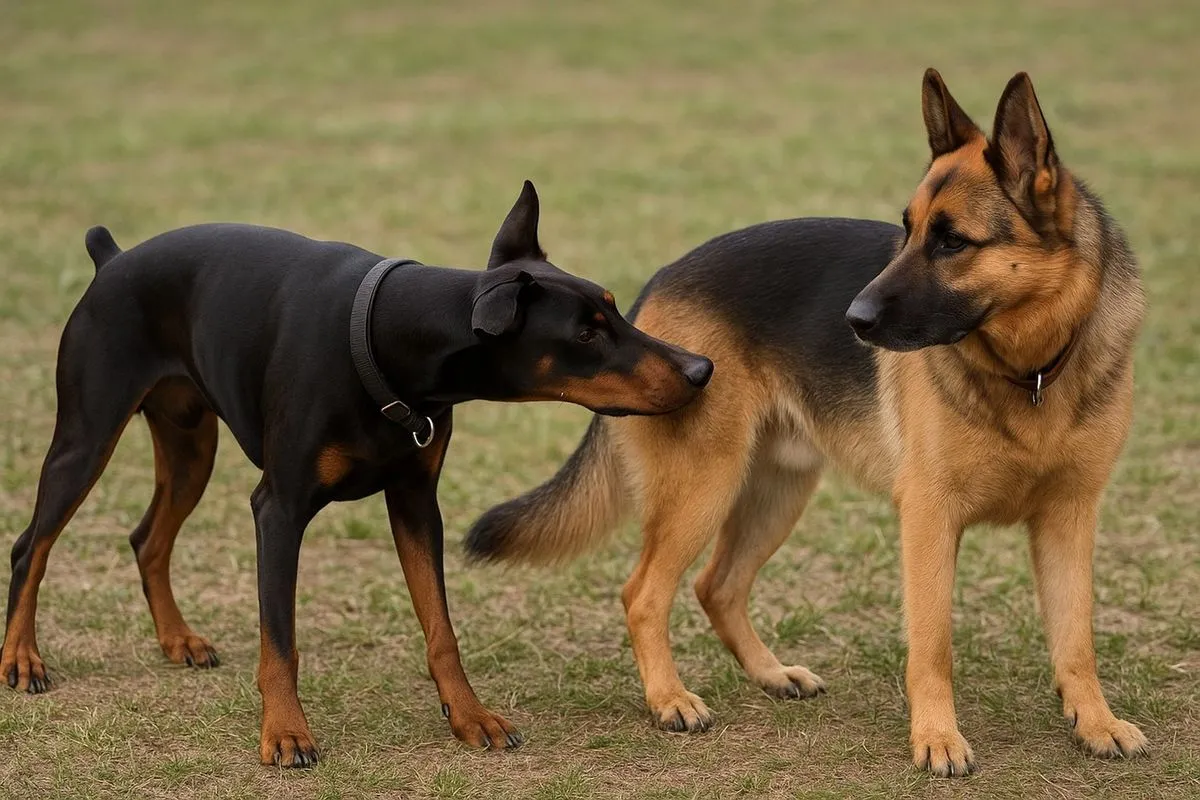
If you’ve ever watched your dog freeze at the sight of a stranger, bark like the mailman is a mortal enemy, or tremble at the sound of a plastic bag rustling — you already know how stressful dog socialization problems can be. And you’re far from alone.
Millions of dog owners deal with this every single day. The good news? Most dog socialization problems are fixable. They’re not a sign that you got the wrong dog or that something is permanently broken. They usually just mean your dog missed some key experiences early on — or had some that left a mark.
This guide is going to walk you through everything: what causes these problems, how to spot them, and what you can actually do about them. No fluff, no jargon — just real, practical advice that works.
Table of Contents
What Is Dog Socialization, Really?
Before we dig into the problems, it helps to understand what socialization actually means. It’s not just about letting your dog meet other dogs at the park. True canine socialization is the process of exposing a dog to a wide variety of people, animals, sounds, surfaces, smells, and environments — in a way that teaches them the world is safe and predictable.
When done well, socialization builds confidence. When it’s skipped or rushed, dog socialization problems tend to follow — sometimes years later.
The critical window for puppy socialization is roughly 3 to 14 weeks of age. During this period, a puppy’s brain is basically a sponge. What it learns during those weeks shapes how it responds to the world for the rest of its life. Miss that window, and you’re not out of luck — but you do have more work to do.
The Most Common Dog Socialization Problems
Let’s get specific. Dog socialization problems don’t look the same in every dog. Here are the most common ones you’ll see.
1. Fear of Strangers
This one is incredibly common. A dog that wasn’t exposed to enough different types of people during puppyhood — tall people, people wearing hats, people with beards, children, people in uniforms — often grows up to be suspicious or outright afraid of humans it doesn’t know.
Signs include:
- Cowering or hiding behind you
- Growling or snapping when approached
- Excessive barking at guests
- Refusing to eat when unfamiliar people are present
This is one of the most frustrating dog socialization problems for families because it affects everyday life — visitors, vet visits, even walks.
2. Dog-to-Dog Aggression
Some dogs never learned how to speak “dog.” Puppy socialization normally happens partly through play with littermates. A puppy that was removed too early or kept isolated misses those lessons. As adults, these dogs often don’t know how to read dog body language — and what they don’t understand, they react to with aggression or extreme fear.
A reactive dog on leash, lunging and barking at every passing dog, is often dealing with exactly this problem. It looks aggressive. It feels uncontrollable. But underneath, there’s usually anxiety — not dominance.
3. Sound Sensitivity and Noise Phobias
Thunderstorms, fireworks, vacuum cleaners, motorcycles — an undersocialized dog can be triggered by almost any loud or unexpected noise. This is one of those dog socialization problems that often catches owners off guard because the dog seemed “fine” until the first big thunderstorm rolled through.
Sound phobias can spiral into full dog anxiety disorders if left untreated. A dog that’s terrified of storms can start showing signs of stress even on cloudy days.
4. Touch Sensitivity and Handling Issues
Some dogs were never handled much as puppies. Their paws weren’t touched. Their ears weren’t examined. Nobody ever looked in their mouth or trimmed their nails. These dogs grow up extremely uncomfortable with physical contact — which makes vet visits a nightmare and simple grooming a battle.
Touch sensitivity is a sneaky dog socialization problem because it often doesn’t show up until the dog is put in a stressful situation.
5. Environmental Fears
An undersocialized dog is often terrified of new environments. Slippery floors. Stairs. Escalators. Shopping carts. Puddles. Manholes. The list can feel endless. These dogs are essentially overwhelmed by the world because they never had the chance to learn that new things are usually okay.
6. Separation Anxiety
Here’s one that surprises people: separation anxiety can be rooted in dog socialization problems, not just attachment. A dog that never learned to be comfortable around new things or new environments often struggles deeply when left alone. The world feels unpredictable, and being without its person makes that worse.
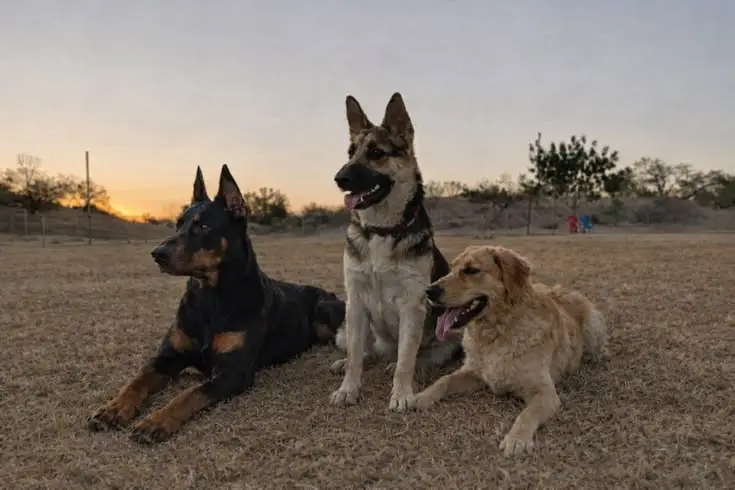
Why Do Dog Socialization Problems Happen?
Understanding the “why” matters because it changes how you approach the fix.
Missing the Puppy Socialization Window The most common cause. A puppy kept in a home with little variety, or one that spent too long at a kennel or pet store, simply didn’t get enough exposure during that 3–14 week window.
Traumatic Experiences One bad experience during what trainers call the “fear period” — around 8–10 weeks and again at 6–14 months — can create lasting dog socialization problem. A puppy that gets knocked over by a large dog during those weeks may develop lasting fear of other dogs. A young dog that gets scared by a car backfiring may develop permanent sound sensitivity.
Genetic Temperament Breed and genetics play a role too. Some dogs are just wired to be more cautious or sensitive. This doesn’t mean dog socialization problem are inevitable — but it does mean some dogs need more careful, deliberate work than others.
Overprotective Owners This one is hard to say, but it’s true. Sometimes dog socialization problem come from well-meaning owners who never let their dog experience discomfort or meet anyone new. A dog that only ever sees you and your household is a dog that won’t know what to do with the rest of the world.
Poor Early Socialization Experiences Socialization done wrong can be just as harmful as no socialization at all. Forcing a fearful dog to meet a stranger, flooding it with overwhelming experiences, or using punishment when it reacts — all of these can make dog socialization problems significantly worse.
How to Tell If Your Dog Has Socialization Problems
Dog body language is the key here. Dogs communicate their discomfort clearly — we just have to know what to look for.
Stress signals to watch for:
- Yawning when not tired
- Lip licking or nose licking
- Whale eye (showing the whites of the eyes)
- Tail tucked low or between the legs
- Ears flattened back
- Turning the head away or avoiding eye contact
- Stiff, frozen posture
- Piloerection (the fur along the back standing up)
If your dog is showing these signals in everyday situations — meeting new people, hearing a loud noise, entering a new space — you’re likely dealing with dog socialization problems that need attention.
More obvious signs include growling, snapping, barking excessively, bolting, or refusing to move. These are what people usually notice first, but the subtle signals above often appear much earlier — and catching them early means you can help your dog before things escalate.
Can You Fix Dog Socialization Problems in Adult Dogs?
Yes — though the honest answer is also “it depends.”
A puppy that missed early socialization can make enormous progress with the right approach. An adult dog with deep-rooted fear aggression may always need some management, even after significant improvement. The goal isn’t always a “cured” dog. Sometimes the goal is a calmer dog — one who can function and even enjoy life without constant anxiety.
Socializing adult dogs takes longer and requires more patience than socializing puppies. But it absolutely works. Thousands of rescue dogs with severe dog socialization problems go on to live happy, confident lives.
Proven Ways to Address Dog Socialization Problems
Here’s where we get practical. These strategies are rooted in behavioral science and used by professional trainers every day.
Start Below Threshold
This is the single most important concept when dealing with dog socialization problems. “Threshold” is the point at which your dog becomes reactive — barking, lunging, freezing, fleeing. You need to work below that point.
If your dog reacts to strangers at 10 feet away, start at 20 feet. If it reacts to other dogs across the street, keep a full block between them. Work at a distance where your dog notices the trigger but stays calm. That’s your starting point.
Use Positive Reinforcement Consistently
Positive reinforcement is not optional here — it’s essential. Every time your dog sees a trigger and stays calm (or looks at the trigger and then looks back at you), mark it and reward it. High-value treats work best: small pieces of chicken, cheese, or whatever your dog goes absolutely crazy for.
You’re teaching the dog that “strange thing = amazing stuff happens.” Over time, that builds a new emotional response.
Desensitization and Counter-Conditioning
These two techniques go hand in hand when addressing dog socialization problems. Desensitization means gradually exposing the dog to the trigger at low intensity over time. Counter-conditioning means pairing that exposure with something positive.
Together, they rewire the emotional response. A dog that once panicked at the sound of thunder can learn — through patient, consistent work — that thunder predicts chicken falling from the sky. It sounds silly. It works.
Controlled Dog-to-Dog Introductions
For dog-to-dog socialization problem, skip the dog park. Seriously. Dog parks are chaotic, and they’re often the worst place for a reactive dog. Instead, work with one calm, well-socialized dog you know. Start with parallel walking — two dogs walking in the same direction but with distance between them. Let the distance shrink over multiple sessions, always watching body language.
Progress is measured in weeks and months, not days.
Build General Confidence
Sometimes the best way to address dog socialization problem isn’t to tackle the specific fear directly — it’s to build your dog’s overall confidence. Training simple commands. Trick training. Nose work. Puzzle feeders. These activities give your dog a sense of agency and success that bleeds into other areas of life.
A dog that knows it can figure things out is a less anxious dog all around.
Work With a Professional
If your dog’s socialization problems are severe — especially if there’s any history of biting or aggression — please work with a certified professional. Look for a Certified Applied Animal Behaviorist (CAAB) or a trainer with credentials from the International Association of Animal Behavior Consultants (IAABC). Avoid trainers who use punishment-based methods for fear and anxiety. That approach reliably makes dog socialization problems worse, not better.
What NOT to Do
This matters as much as what you should do.
Don’t force it. Forcing a fearful dog into overwhelming situations — called “flooding” — can cause lasting psychological damage. It might look like the dog “got over it,” but what often happens is learned helplessness: the dog shuts down rather than genuinely becoming comfortable.
Don’t punish fearful reactions. Growling is communication. If you punish a growl, you teach the dog to skip the warning — and go straight to biting. That’s dangerous.
Don’t compare your dog. Every dog is different. Some dogs recover from dog socialization problems in a few months. Others take years. Comparing your dog’s progress to someone else’s will only discourage you.
Don’t give up too soon. Real behavior change is slow. Two weeks is not enough time to judge progress. Two months might give you a better picture. Six months will likely show you something remarkable — if you’ve been consistent.
When to See a Vet
Dog socialization problems are behavioral — but behavior has a biological component. If your dog’s fear or anxiety is severe, talk to your vet. There are medications that can lower baseline anxiety enough for training to actually stick. These aren’t sedatives — they’re tools that make the brain more receptive to learning.
Medication alone won’t fix dog socialization problem. But in moderate to severe cases, combining it with a good behavior modification plan often produces results that training alone couldn’t achieve.
When to See a Dog Behavior Specialist: Expert Help
Preventing Dog Socialization Problems in Puppies
If you have a young puppy — or are planning to get one — this section is gold.
The goal is to expose your puppy to as many positive experiences as possible between 3 and 14 weeks. The key word is positive. You’re not just throwing experiences at the puppy — you’re making sure each one ends on a good note.
Things to expose your puppy to:
- Men, women, children, elderly people, people in hats or glasses
- Other vaccinated, friendly dogs and cats
- Car rides, elevators, stairs, slippery floors
- Sounds: traffic, thunder recordings, vacuum cleaners, babies crying
- Being handled: ears, paws, mouth, tail
- Alone time (to prevent separation anxiety later)
- Different surfaces: grass, gravel, tile, wood, sand
Even before full vaccination, controlled exposure is possible — puppy classes with vaccinated dogs, carrying the puppy in public places, visiting friends’ homes. The risk of undersocialization is real too. Don’t wait until the vaccine series is complete to start.
Final Thoughts
Dog socialization problems can feel overwhelming, especially when you’re in the thick of it — when every walk is a battle, every visitor triggers a meltdown, and you’re starting to wonder if it’ll ever get better.
It can get better. Not always perfectly, not always quickly — but genuinely, meaningfully better.
The dogs I’ve seen make the most remarkable recoveries weren’t the ones with the mildest problems. They were the ones with the most patient owners — people who showed up every day, kept things positive, celebrated small wins, and didn’t quit when progress slowed.
Your dog doesn’t need you to fix everything at once. It just needs you to show up tomorrow.
Frequently Asked Questions About Dog Socialization Problems
At what age do dog socialization problems usually become noticeable? Most dog socialization problem begin to surface between 6 months and 2 years of age, as the dog matures and encounters the world more. Some show up earlier during puppyhood.
Can rescue dogs overcome severe socialization problems? Many do, yes — with time, patience, and proper support. Some may always need management in certain situations, but significant improvement is very common.
How long does it take to fix dog socialization problem? There’s no set timeline. Mild cases might improve noticeably in a few weeks. More severe dog socialization problem may take 6 months to a year or more of consistent work.
Is dog socialization problems the same as dog aggression? Not exactly. Aggression is often a symptom of socialization problems — usually rooted in fear or anxiety — but the two aren’t the same thing. Addressing the underlying socialization issue often reduces or eliminates the aggression.
Should I use a shock collar or prong collar for a reactive dog? No. These tools use pain or fear to suppress behavior, which can increase anxiety and make dog socialization problems worse over time. Positive reinforcement-based methods are more effective and far safer.











Post Comment