Dog Adoption Process: Effective Timeline and Requirements Framework
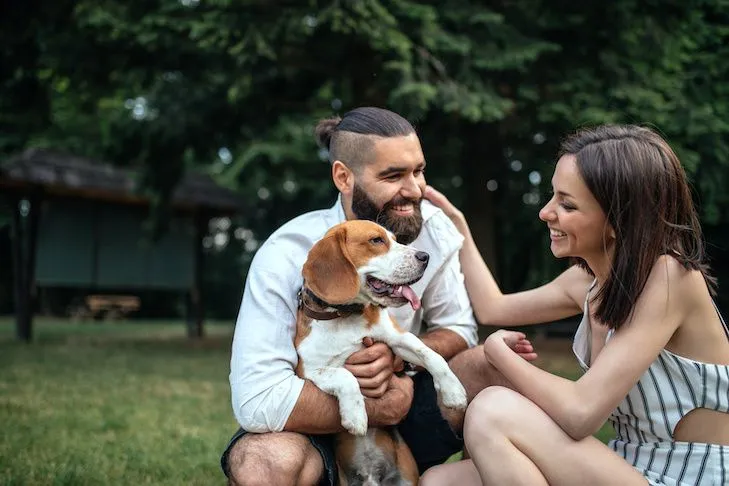
Most people picture the dog adoption process as something like this: you walk into a shelter, fall in love with a pair of brown eyes looking up at you through a kennel door, and walk out an hour later with a dog on a leash.
Sometimes it really is that simple. But often — especially with rescue organizations — the dog adoption process is a bit more involved. There are applications, interviews, home visits, and waiting periods. There are fees to understand and requirements to meet. And honestly? That’s a good thing. A shelter or rescue that takes the time to match dogs carefully is one that actually cares about what happens after the adoption.
This guide walks you through the entire dog adoption process, step by step. No fluff, no intimidation — just a clear, honest picture of what to expect so you can go in confident and prepared.
Table of Contents
Why the Dog Adoption Process Exists (And Why You Should Respect It)
Dog Adoption Process, Before anything else, it helps to understand why shelters and rescues put adopters through a process at all. To be fair, some first-timers find the requirements frustrating. You just want a dog — why does it feel like applying for a mortgage?
Here’s the thing. Shelters see dogs returned all the time. Not because people are bad — usually because the match was wrong. The family wasn’t ready for a high-energy breed. The apartment was too small. The dog had needs the adopter didn’t fully understand. The dog adoption process, at its best, exists to prevent all of that.
It protects the dog from being rehomed again and again, which is genuinely traumatic for animals. It protects you from taking on a dog that doesn’t fit your life. And it helps shelters and rescue organizations do their job better — which is placing every animal in a home where they’ll actually thrive.
So when a rescue asks detailed questions, take it as a sign that they know their dogs well. It’s a good sign, not a red flag.
Figure Out What You’re Actually Looking For
The dog adoption process starts before you ever step foot in a shelter. It starts with being honest with yourself.
Ask these questions before anything else:
How much space do you have? A border collie needs room and a job. A basset hound will be perfectly content in a smaller space. Size of your home matters, but so does yard access, proximity to parks, and how much you’re willing to walk every day.
How active is your household? If you run five miles every morning and want a trail buddy, you’re looking for a completely different dog than someone who prefers quiet evenings at home. Neither lifestyle is wrong — but the dog needs to match.
Do you have other pets or children? Not every dog is compatible with cats. Not every dog does well with children under five. This isn’t about breed stereotypes — it’s about the individual dog’s history and temperament. Shelters assess this, and you should ask directly.
How much experience do you have? First-time dog owners tend to do best with easygoing, social breeds. If you’ve had dogs your whole life and know how to handle a reactive or anxious animal, your options open up considerably.
Are you home often? Some dogs — particularly those with separation anxiety — genuinely need someone home most of the day. Others are fine alone for eight hours with the right setup.
Write your answers down. Bring them with you. This prep work makes the dog adoption process smoother and faster because you already know what you need.
Choose Your Adoption Source — Shelter or Rescue?
There are two main paths through the dog adoption process, and each has its own rhythm.
Animal Shelters
Municipal shelters and humane societies are often the first place people think of. They tend to have more dogs available, including strays and owner surrenders. The adoption process at a shelter is usually straightforward — you visit, you meet dogs, you fill out an application, you pay a fee, and you go home.
Shelters vary enormously in quality. A good shelter will do behavioral assessments, keep dogs well-socialized, and give you honest information about each animal’s history and quirks. A less resourced shelter may not have as much behavioral data, which means you’re making decisions with less information.
That’s not a reason to avoid shelters — just a reason to ask a lot of questions when you’re there.
Rescue Organizations: Dog Adoption Process
Rescue groups pull dogs from shelters, take in owner surrenders, and place dogs in foster homes while they wait for adoption. Because fosters live with the dogs, rescue organizations often know their animals incredibly well. They can tell you how the dog behaves around kids, whether it’s okay with cats, what its sleep schedule is like, whether it has separation anxiety.
The dog adoption process through a rescue is typically more thorough. Expect a detailed application, a phone or in-person interview, possibly a home visit, and a longer wait. Some people find this off-putting. But the payoff is real — you get a dog whose personality you actually understand before you bring it home.
Breed-specific rescues are also worth knowing about. Almost every breed has a dedicated rescue network. If you have your heart set on a greyhound, a golden retriever, or a dachshund, there’s almost certainly a breed-specific group placing those dogs near you.
Start Your Search Online (And In Person)
Once you know what you’re looking for and which route you’re taking, the search begins.
Petfinder and Adopt-a-Pet are the two largest platforms that aggregate dogs from shelters and rescues across the country. You can filter by breed, age, size, location, and compatibility traits like “good with kids” or “good with cats.” These are genuinely useful starting points in the dog adoption process.
That said, listings can be outdated. A dog you fall in love with online may already be adopted by the time you inquire. Don’t get too attached to a specific dog before you’ve confirmed availability — it’s one of the most common sources of disappointment for first-time adopters.
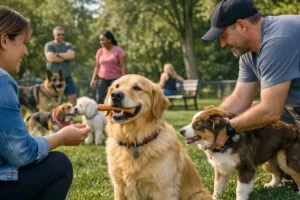
Visit in person when you can. Photos and bios tell you something, but they don’t tell you everything. A dog that looks timid in a shelter photo might be exuberant and goofy the moment you sit down on the floor with it. And vice versa. Showing up and spending time with the dog is an irreplaceable part of the dog adoption process.
Dog Vaccination Schedule: Easy Complete Guide by Age
The Adoption Application: Dog Adoption Process
Most shelters and virtually all rescue organizations require an adoption application. This is where the dog adoption process gets more personal — and where some first-timers hit unexpected friction.
A typical adoption application will ask about:
- Your living situation (renting or owning, house or apartment)
- Whether your landlord allows pets (if renting)
- Your daily routine and work schedule
- Everyone in your household, including ages of children
- Current and past pets
- Your veterinarian’s contact information (if you’ve had pets before)
- Why you want to adopt this specific dog or type of dog
- What you’ll do with the dog when you travel
Some applications are two pages. Some feel like twelve. Rescue organizations in particular tend toward longer, more detailed questions.
Be honest. Every single answer should reflect your real situation, not what you think the shelter wants to hear. If you work long hours, say so — there are dogs who are perfectly fine with that. If you’ve never owned a dog, say so — that doesn’t disqualify you. Shelters and rescues work with all kinds of adopters. What they can’t work with is inaccurate information that leads to a bad match.
A well-run rescue will review your application and reach out to discuss it. Some approve quickly. Others take a few days to a week. If you’re not hearing back, a polite follow-up is absolutely fine.
The Interview or Meet-and-Greet
Once your application looks good, most organizations will schedule some form of conversation or in-person meeting. This part of the dog adoption process feels like an interview — and in some ways, it is.
Phone or video calls are common with rescue groups, especially if they’re foster-based and spread across a region. An adoption coordinator will want to know more about you, answer your questions, and talk through whether a specific dog is a good fit.
This is your chance to ask everything you want to know:
- What’s this dog’s history? Where did it come from?
- How does it behave around other animals?
- Has it shown any signs of anxiety or resource guarding?
- Is it house-trained? Does it know any commands?
- What does it eat? What’s its vet history?
- Why was it surrendered (if known)?
Don’t be shy. A rescue that gets defensive about these questions is a rescue you should reconsider. Good organizations want you to have complete information — it helps the adoption stick.
Meet-and-greets with the actual dog are often arranged next. If the dog is in a shelter, you’ll visit the facility and spend time with it in a meet room. If it’s in a foster home, the meeting might happen there, which gives you a real window into how the dog behaves in a home setting.
If you have children or other pets, bring them to the meet-and-greet when possible. Watching how the dog interacts with your specific household members is far more valuable than any description on paper.
The Home Visit
Not all organizations require a home visit, but many rescues do — particularly for dogs with special needs or for applicants in certain living situations. This part of the dog adoption process surprises people the most. It can feel intrusive if you’re not expecting it.
Here’s what a home visit actually involves: a volunteer or staff member comes to your home, looks around, asks a few questions, and checks that your space is safe and appropriate for the dog. They’re not inspecting for cleanliness or judging your furniture. They’re checking things like:
- Is your yard securely fenced?
- Are there hazards the dog could get into (open pools, toxic plants, gaps in fencing)?
- Is the space an appropriate size for the dog you’re adopting?
Most home visits are relaxed and brief — thirty to forty-five minutes. If yours hasn’t been scheduled and you’re working with a rescue that typically requires one, just ask. It’s often the last step before approval.
Adoption Fees — What to Expect and Why You Pay Them
Adoption fees are part of the dog adoption process that sometimes catches people off guard. Many assume that because shelters are nonprofits, adoption should be free or nearly free. In reality, fees typically run anywhere from $50 to $500 depending on the organization, the dog’s age, and what’s included.
What does that fee usually cover?
- Spay or neuter surgery
- Core vaccinations
- Microchipping
- Flea, tick, and heartworm treatment
- Any medical care the dog received while in the shelter or foster
When you do the math, that’s an enormous amount of veterinary care bundled into one fee. A spay or neuter alone can cost $200–$400 at a private vet. The adoption fee is genuinely a deal, even when it feels steep.
Some organizations offer reduced fees during adoption events or for senior dogs and dogs who’ve been in the system a long time. If cost is a real barrier, it’s okay to ask — many rescues have options.
Bringing Your Dog Home
You’ve been approved. You’ve paid the fee. You’re standing at the shelter door or the foster home driveway, and the dog is on a leash in front of you. This is the moment everyone pictures — and it’s wonderful.
But the first few days at home are part of the dog adoption process too. A lot of families don’t realize that, and they’re caught off guard when the dog seems withdrawn, clingy, restless, or different from how it was at the shelter.
This is completely normal. Dogs need time to decompress.
The rescue community talks about the 3-3-3 rule: three days to feel overwhelmed and shut down, three weeks to learn your routine, three months to really feel at home. It’s a guideline, not a clock — some dogs settle in faster, some slower. But knowing it exists helps you stay calm during the adjustment period.
For the first week, keep things quiet:
- Limit visitors and big gatherings
- Establish a routine around feeding, walks, and sleep
- Set up a dedicated space for the dog — a crate, a bed, a corner that’s theirs
- Give it time to explore the house at its own pace
Don’t over-schedule or over-stimulate. The dog is learning everything from scratch: the smells, the sounds, your energy, your schedule. Let it find its footing.
The First Vet Visit: Dog Adoption Process
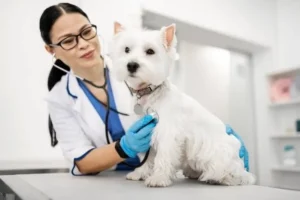
Within the first week or two, schedule a visit with your vet. This is a non-negotiable part of completing the dog adoption process responsibly.
Even if the shelter gave you a full vet history, your own vet needs to establish a baseline. They’ll check for anything that might have been missed, confirm vaccinations are current, and set you up with a preventive care plan. It’s also a good time to ask about nutrition, dental care, and any behavioral concerns you’ve noticed since bringing the dog home.
If you don’t have a vet yet, ask the rescue or shelter for recommendations. You can also ask neighbors or local dog owners who they use. This relationship matters — you’ll be coming back for years.
Common Mistakes People Make During the Dog Adoption Process
Knowing what to avoid is just as useful as knowing what to do.
Falling in love online before confirming availability. It happens to almost everyone. You find the perfect dog on Petfinder at 11 p.m. and spend the next three days thinking about it — only to find out it was adopted the same day you saw the listing. Browse, but hold your heart loosely until you’ve made contact.
Being dishonest on the application. Some people lie about having a yard, or don’t disclose their landlord’s pet policy, or claim more dog experience than they have. This almost always backfires. The dog ends up in a situation it wasn’t prepared for, and the adoption fails.
Giving up too fast. The first week is hard. The second week is better. The third week, something shifts. If you’re struggling, reach out to the rescue organization — they want to help you succeed. Most will offer behavioral guidance, resources, or check-in calls as part of their post-adoption support.
Skipping the vet. The shelter’s vet records are a starting point, not a comprehensive health assessment. Make that appointment.
Ignoring behavioral warning signs. Growling, snapping, or extreme anxiety that doesn’t improve deserves professional attention, not just patience. The earlier you address it, the better the outcome.
Foster-to-Adopt: A Path Worth Knowing About
Some organizations offer a foster-to-adopt option, which is exactly what it sounds like. You take the dog home as a foster first — usually for two to four weeks — with the intention of adopting if it’s a good fit. If it’s not, you can return the dog without having made a permanent commitment.
This is a genuinely useful option for people who are 95% sure but not 100%. It’s especially valuable if you have other pets and you’re not certain how they’ll coexist, or if you’re adopting a dog with an unknown history and you want time to assess behavior in a home environment.
Not every rescue offers this, but it’s absolutely worth asking about if you’re feeling uncertain.
You’re Not Just Getting a Dog. You’re Saving One.
There’s something that doesn’t quite make it into the practical steps of the dog adoption process but deserves to be said.
Most shelter dogs are not there because something is wrong with them. They’re there because life changed for the person who had them — a move, a new baby, a financial crisis, a death. They’re there because they were strays and no one claimed them. They’re there because they were bred carelessly and no one planned for their future.
When you go through the dog adoption process and bring one of those dogs home, you’re not doing them a favor exactly. You’re entering into a partnership. The dog gives you loyalty, presence, joy, and love. You give them stability, care, and a place to belong.
That exchange — once it settles in, once the dog is truly home — is one of the most quietly extraordinary things a person can experience.
Take the process seriously. Ask the questions. Fill out the application honestly. Give the dog the decompression time it needs. And then let it show you who it is.
You won’t regret it.






Post Comment