Best Dog Beds: Comfortable Options for All Size 2026

Let’s be honest, choosing a dog bed sounds simple until you’re standing in a pet store aisle staring at seventeen nearly identical options, all claiming to be “orthopedic,” “calming,” or “vet-recommended.” Your dog can’t read the label, and you’re just trying to figure out what’ll actually make them comfortable.
So let’s cut through it. After years of watching dogs curl up on the wrong beds and owners feel guilty about it, here’s what you genuinely need to know.
Table of Contents
Why Dog Beds Matter More Than You Think
Most people assume any soft surface will do. A folded blanket, an old couch cushion, a corner of the carpet — and sure, dogs will sleep anywhere. But that doesn’t mean they’re sleeping well.
Dogs spend anywhere from 12 to 18 hours a day resting, depending on their age and breed. Puppies sleep even more. Senior dogs, especially those with arthritis or joint issues, need proper support the same way an older person benefits from a good mattress.
A quality dog bed isn’t a luxury item. It’s a health tool.
And beyond the physical stuff, dog beds give your dog a space that belongs to them, a place where they feel safe, settled, and in control. That matters more than most people realize, especially for anxious or reactive dogs.
Types of Dog Beds: Which One Actually Fits Your Dog?
Not all dog beds are built the same, and not all dogs need the same thing. Here’s a quick breakdown.
Orthopedic Dog Beds
These are designed with memory foam or high-density foam to support joints and relieve pressure points. They’re not just for older dogs, though, large breeds, dogs recovering from surgery, and any dog with hip dysplasia or arthritis will genuinely benefit.
Look for orthopedic dog bed with at least 3–4 inches of solid foam (not shredded foam, which compresses unevenly). The cover should be removable and washable. A waterproof liner underneath is a bonus, especially for older dogs who may have accidents.
Honestly, if your dog is over 7 years old, an orthopedic bed is worth the investment.
Bolster Dog Bed
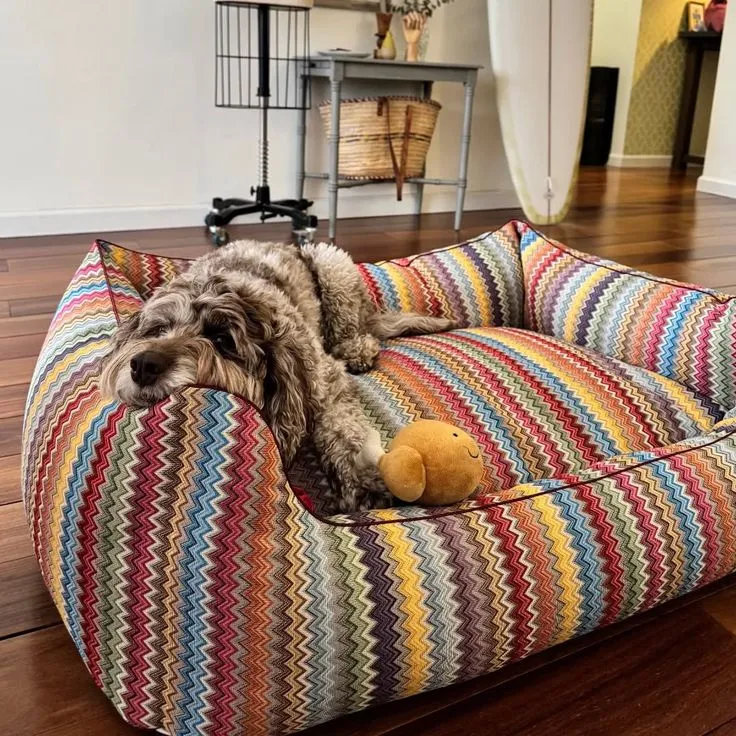
These have raised edges, almost like a miniature couch. Dogs who love to lean against things, or who curl up tight when they sleep- tend to go crazy for bolster beds. The raised sides feel protective, which can help dogs who get anxious during thunderstorms or fireworks.
If your dog always tries to sleep pressed against your legs or wedged into a corner, a bolster bed might be exactly what they’re looking for.
Donut and Calming Dog Beds
Calming dog beds have exploded in popularity over the last few years, and there’s actually some science behind the hype. The ultra-soft faux shag material and raised rim design mimic the feeling of being nestled against a littermate. For dogs prone to anxiety, separation stress, or hyperarousal, these dog bed can make a noticeable difference.
They’re especially popular for small breeds and dogs who tend to burrow under blankets.
Elevated Dog Beds and Cots
If you live somewhere warm, or your dog runs hot, an elevated dog bed or cot-style bed is worth considering. The raised design allows air to circulate underneath, keeping your dog cooler. These are also great for outdoor use, camping, patios, or anywhere you want to give your dog a clean place to rest.
They’re easy to clean, tend to be durable, and some large dogs actually prefer the firm support of a stretched fabric surface over thick foam.
Cave and Hooded Dog Beds
For small dogs and cats (yes, some dogs prefer these too), cave beds offer a covered, enclosed space. Think of it as a den. Dogs with a strong denning instinct, many small terriers, dachshunds, and spaniels fall into this category, feel more secure with a roof over their heads.
Choosing the Right Size Dog Bed
This is where a lot of people go wrong. They either buy too small because the bed looks fine in the store, or they overbuy thinking bigger is always better.
Here’s the real rule: measure your dog from nose to tail base while they’re lying down in their preferred sleeping position. Add about 6–12 inches to that measurement. That’s your minimum bed length.
If your dog sleeps curled up, you can go slightly smaller. If they sprawl out like a starfish, go bigger Dog Beds.
For puppies, either buy a bed sized for their adult weight (use breed size guides), or be prepared to replace it in a few months. Some people start with a medium bed and use a rolled-up blanket to make the space feel smaller, then remove it as the puppy grows.
What to Look for in a Quality Dog Bed
Beyond size and style, here are the things worth paying attention to.
Filling and Support
Memory foam is the gold standard for orthopedic support. It conforms to your dog’s body and distributes weight evenly. Shredded foam is cheaper but bunches up over time and stops providing even support. Polyester fiberfill is soft but compresses quickly, fine for lightweight dogs, not great for large breeds.
Cover Material
The outer cover should be durable, soft, and washable. Look for tight-weave fabrics if your dog is a chewer or scratcher. Microfiber and canvas hold up well. Velvet and plush feel luxurious but can pill and trap hair.
A zipper that’s easy to open and close matters more than you’d think when you’re doing laundry at 10pm.
Waterproofing
Accidents happen, especially with puppies and senior dogs. A waterproof liner between the foam and the cover protects the actual mattress from moisture and odors. Without it, a single accident can ruin an otherwise good dog bed.
Non-Slip Bottom
If your dog jumps onto the bed with enthusiasm (and most do), a non-slip base keeps the bed from sliding across hardwood or tile. It’s a small detail that prevents a lot of frustration.
Washability
Let’s be real, dog beds get funky fast. Between fur, drool, and the occasional muddy paw, you need something you can toss in the washing machine without thinking twice. Check the care label before you buy, and if the instructions say “spot clean only,” proceed with caution.
Dog Beds for Specific Needs
Large Breed Dog Beds
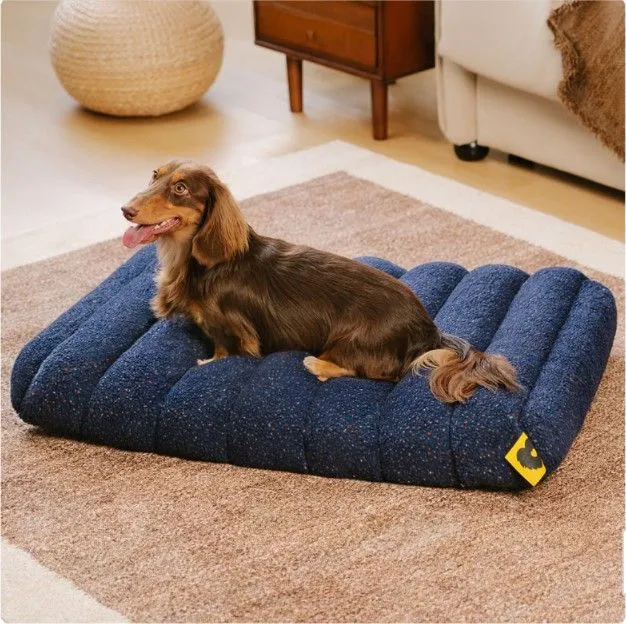
Large dogs need more than just a bigger bed, they need stronger structural support. A bed that works great for a 20-pound dog will bottom out under a 90-pound Labrador. Look for high-density foam, reinforced seams, and weight ratings on the product description.
Some of the best large breed dog bed include extra-wide bolsters so a big dog can actually rest their head on the edge comfortably.
Small Breed Dog Bed
Small dogs often feel more secure in smaller, enclosed spaces. Calming beds, donut beds, and cave beds are all good options. The concern with very small dogs is getting something with sides that are easy to step into — arthritic chihuahuas, for example, don’t need a steep bolster to climb over.
Dog Beds for Anxious Dogs
Anxiety in dogs is more common than people realize. Whether it’s separation anxiety, noise sensitivity, or general nervousness, some dog bed are specifically designed to help. Look for calming dog beds with ultra-soft filling, raised edges, and a design that encourages a curled sleeping position, it activates the dog’s natural self-soothing instincts.
Some owners pair these beds with calming sprays or have their vet evaluate whether behavioral support is needed alongside a cozy dog bed.
Dog Beds for Puppies
Puppies need warmth, softness, and easy cleanability above all else. A puppy bed with a waterproof liner is almost essential. If your puppy is going through a chewing phase, avoid beds with loose stuffing they could pull out and swallow. Flat, durable mats or beds with tightly sewn seams are safer choices.
Hiking with Dogs: Trail Tips and Safety Guide 2026
Where to Place Your Dog’s Bed
Placement matters more than people expect. Dogs are social creatures, and most of them want to be near you — not isolated in a back room. Placing the dog bed in the living room or bedroom where you spend time lets your dog rest while still being part of the family.
That said, dogs also appreciate predictability. Once you find a spot that works, try to keep the bed there consistently. It becomes a cue, “this is where I rest, this is where I feel safe.”
Avoid placing dog beds near drafty doors or windows in winter, near heating vents that blow hot air directly onto the bed, or in high-traffic pathways where your dog might get disturbed constantly.
How Often Should You Replace a Dog Bed?
Most dog beds last 1–3 years depending on the quality, the size of your dog, and how rough they are with their belongings. Here are the signs it’s time to replace:
- The foam has flattened and no longer bounces back
- The cover is permanently stained or starting to smell despite washing
- Your dog has started avoiding the bed
- There are visible tears or stuffing coming out
That last one, your dog avoiding their own bed, is actually a reliable signal. Dogs know when something doesn’t feel right.
Dog Bed Hygiene: Keeping It Clean Without the Hassle
Aim to wash the cover every 2–4 weeks, or more often if your dog has been swimming, rolling in something outside, or is prone to shedding heavily. The inner cushion or foam should be spot-cleaned or aired out regularly.
A few tips that actually help:
- Run the cover through the dryer on low heat before washing to loosen fur
- Use an enzyme-based laundry additive to break down odor at the source
- Let foam inserts air dry completely before putting the cover back, dampness leads to mildew fast
- Keep a lint roller near the bed for quick maintenance between washes
The Budget Question: How Much Should You Spend?
Dog beds range from under $20 to well over $200, and the price doesn’t always match the quality.
In the budget range ($20–$50), you’ll find decent basic dog bed that work fine for young, healthy dogs without special needs. They tend to wear out faster and may lack proper support, but they’re a reasonable starting point.
Mid-range dog bed ($50–$120) hit a sweet spot for most dogs. You get better materials, more durable covers, and actual orthopedic foam rather than shredded filler.
Premium dog beds ($120 and up) are worth considering for large breeds, senior dogs, or dogs with medical conditions. The difference in quality is real, thicker foam, stronger construction, and covers that hold up to years of washing.
Think of it this way: if you’d spend money on a good mattress for your own sleep, your dog’s daily comfort is worth at least some investment.
Final Thoughts: Your Dog Deserves a Good Night’s Sleep
Here’s the thing, your dog trusts you completely. They sleep where you put them, eat what you give them, and go where you take them. Choosing a good dog bed is one of those quiet, uncelebrated ways you show them that trust goes both ways.
You don’t need to overthink it. Figure out your dog’s size, their sleeping style, and any specific needs they have. Pick a bed with solid support, a washable cover, and a waterproof liner if there’s any chance of accidents. Place it somewhere they feel included. And replace it when it starts to fail them.
That’s really all there is to it. Dogs don’t need much, but what they need, they need consistently. A comfortable, safe place to sleep is near the top of that list.














Post Comment