Dog Swimming: Benefits, Safety, and Teaching
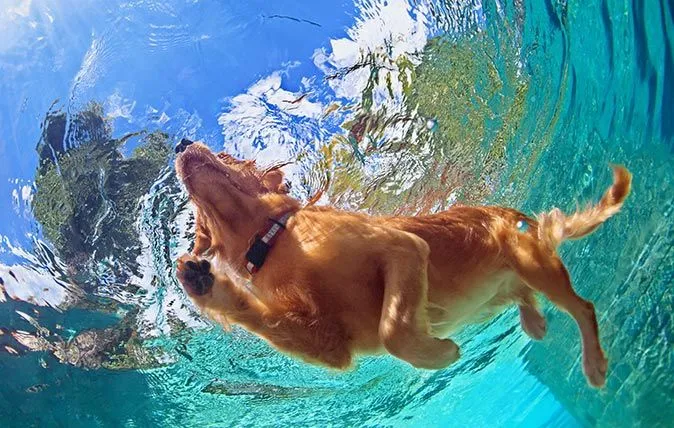
Some dogs hit the water like they were born for it, leaping off docks, paddling hard, shaking off with pure, unfiltered joy. Others stand at the edge, looking deeply suspicious of the whole concept. Wherever your dog falls on that spectrum, dog swimming is one of the best activities you can offer them, for their body, their mind, and honestly, for the sheer entertainment value alone.
But there’s more to it than tossing a ball into a lake and hoping for the best. Dog swimming done right means knowing your dog’s limits, picking the right spot, using the right gear, and understanding how to keep them safe in and around the water. This guide covers all of it, from first dips to full-blown swimmers — so you and your pup can make the most of every splash.
Table of Contents
Why Dog Swimming Is So Good for Your Dog
Let’s start with why it’s worth the effort. Dog swimming isn’t just fun, it’s genuinely one of the best forms of exercise your dog can get.
Water supports body weight in a way that land exercise never can. That means your dog works their muscles hard without putting stress on joints and bones. For dogs recovering from surgery or managing arthritis, dog swim is often recommended by veterinarians as a low-impact therapy that builds strength without the wear and tear of running or jumping.
Even for healthy dogs, swimming burns enormous amounts of energy. A few minutes of active paddling can tire a high-energy dog in a way that a long walk simply won’t. If you’ve got a dog that never seems to slow down, water might be your secret weapon.
There’s a mental side too. New environments, different sensory inputs, and the physical challenge of navigating water all add up to serious mental stimulation. A dog that swims regularly is often calmer, more focused, and easier to manage at home.
Does Every Dog Know How to Swim?
Here’s a common misconception worth clearing up: not all dogs are natural swimmers. The idea that dogs instinctively know how to swim just because they can “dog paddle” isn’t quite accurate.
Some breeds are genuinely built for dog swimming. Labrador retrievers, Portuguese water dogs, Irish water spaniels, Chesapeake Bay retrievers, and Standard poodles were literally bred for water work. They tend to take to swimming quickly and confidently.
Other breeds struggle. Dogs with short legs and heavy bodies, like bulldogs, pugs, dachshunds, and basset hounds, have a hard time staying afloat. Their anatomy works against them in water. Brachycephalic breeds (those with flat faces) have an even harder time because breathing while swimming is much more difficult for them. Swimming for these breeds is possible, but it requires extra caution, proper equipment, and close supervision every single time.
And then there are dogs that fall somewhere in the middle, physically capable of swimming but emotionally uncertain about it. A bad first water experience can put a dog off swimming for a long time. That’s why the introduction matters so much.
How to Introduce Your Dog to Swimming for the First Time
The goal of a first dog swimming experience is simple: make it positive. That’s it. You’re not trying to get your dog to swim laps. You’re just trying to make water feel safe and fun.
Start Shallow
Choose a location with a gradual entry, a calm lake beach, a gentle river bank, or a pool with steps. Avoid areas with sudden drop-offs, strong currents, or heavy boat traffic. Your dog needs to be able to feel the bottom beneath them as they figure out what their body is doing.
Walk in with them. Seriously, get your feet wet. Dogs take enormous cues from their owners, and if you’re relaxed and cheerful about the water, they’re more likely to feel the same way.
Let Them Set the Pace
Don’t push, pull, or force. A dog that’s shoved into water against their will may never fully trust the experience, and they’ll associate you with that fear, which is the last thing you want. Let your dog sniff the water, paw at it, wade in at their own pace.
Bring a favorite toy or treat. The prospect of fetching something they love can be enough to coax a hesitant dog deeper into the water one small step at a time.
Watch Their Body Language
A dog that’s enjoying dog swimming looks loose, playful, and engaged. A dog that’s struggling looks tense, frantic, or is churning the water wildly with their front legs while their back end sinks. That last one is a sign they’re not getting it, and it can become dangerous quickly. Step in calmly, support their hindquarters, and guide them back to shallow water.
Keep First Sessions Short
Ten to fifteen minutes is plenty for a first session. End on a positive note before your dog gets tired or anxious. Short, successful experiences build confidence much faster than long, exhausting ones.
Dog Swimming Safety: What Every Owner Needs to Know
This is the section you really can’t skip. Dog swimming is wonderful, and it carries real risks that are worth taking seriously.
Use a Dog Life Jacket
A properly fitted dog life jacket is one of the smartest things you can buy if your dog spends time near water. This isn’t just for breeds that struggle to swim. Even strong swimmers can get into trouble, if they get caught in a current, swim too far and tire out, or fall off a boat unexpectedly, a life jacket can save their life.
Look for a jacket with a sturdy handle on the back. That handle lets you grab your dog and lift them out of the water quickly if needed. Make sure it fits snugly without restricting their movement or breathing, you should be able to slide two fingers under any strap.
Never Leave Your Dog Unattended Near Water
Dog swimming requires active supervision. Every time. A dog can get into serious trouble in seconds, slipping into a pool with no way to get out, getting caught in a current, or simply swimming too far and running out of energy. Stay close, stay alert, and keep your eyes on your dog.
Watch for Pool Hazards
Backyard pools are a leading cause of accidental drowning in dogs. The biggest problem is often the lack of an obvious exit. Dogs that fall into a pool and can’t find the steps will swim along the walls in a panic until they exhaust themselves. If you have a pool and a dog, either install a pool ramp designed for dogs, teach your dog exactly where the steps are, or use a pool fence.
Also keep in mind: pool chemicals are generally safe for dogs in normal swimming amounts, but swallowing large amounts of chlorinated water can cause stomach upset. Don’t let your dog drink from the pool, and always rinse them off after a swim to prevent skin and coat issues.
Be Cautious with Natural Water
Lakes, rivers, and oceans each come with their own hazards. In natural water, watch for:
Blue-green algae: Toxic blooms occur in warm, still water and can be deadly to dogs. If the water looks greenish, murky, or has a strange smell, keep your dog out entirely.
Currents and undertow: Even a dog that’s a strong swimmer can get caught in a fast-moving current. Stick to calm, protected areas and stay out of moving water after heavy rain.
Leptospirosis: This bacterial infection spreads through water contaminated by wildlife urine. It can cause serious kidney and liver damage in dogs. Ask your vet about the leptospirosis vaccine if your dog swims in natural water regularly.
Saltwater ingestion: Dog swimming in the ocean is wonderful, but drinking saltwater is dangerous. It causes severe dehydration and can lead to salt toxicity. Bring fresh water and offer it frequently during ocean swims.
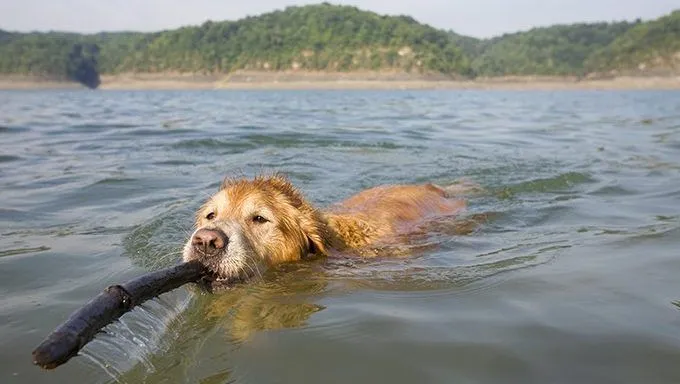
Signs of Water Fatigue and Swimmer’s Tail
Even the most enthusiastic dog swimming fans can push themselves too hard. Water fatigue is real, and it sneaks up on dogs that are too motivated to stop.
Watch for these warning signs:
- Paddling with front legs while back legs drag downward
- Slower, less coordinated movements
- Frantic or wide-eyed expression
- Struggling to keep their head above water
The moment you see any of these, guide your dog to shore calmly and let them rest.
You may also notice something called “swimmer’s tail” (also called limber tail or cold tail syndrome) after an intense session of dog swimming. The tail goes limp, often hangs straight down, and your dog may seem uncomfortable moving it. It’s a muscle strain, usually caused by cold water and overexertion. It typically resolves within a few days with rest, but if the pain seems severe or doesn’t improve, see your vet.
Caring for Your Dog After Swimming
The swim might be over, but post-swim care is just as important as what happens in the water.
Rinse Thoroughly
After any dog swimming session — pool, lake, or ocean — rinse your dog with clean, fresh water. Chlorine, salt, algae, and other substances left on the coat can cause skin irritation. They’ll also inevitably end up on your couch, your bed, and your floor if you skip this step.
Dry the Ears Carefully
This one matters a lot. Water trapped in a dog’s ear canal creates the perfect environment for bacterial and yeast infections. After swimming, gently dry the outer ear with a soft towel. For dogs prone to ear infections, ask your vet about an ear-drying solution designed for use after swimming. Never push anything deep into the ear canal.
Check the Paws
Extended time in water softens paw pads and can make them more vulnerable to cuts and abrasions. After swimming in natural water, check for any small wounds or irritation between the toes. Rinse off any debris, and let the paws dry completely.
Give Them Time to Rest
Dog swimming is hard work. Your dog has used muscles they may not use much on land, and their whole system has been working hard to stay warm, stay afloat, and process all that sensory stimulation. Let them rest, give them fresh water to drink, and don’t plan another intense outing for the rest of the day.
The Best Places for Dog Swimming
Finding the right spot is half the fun. Here’s what to look for — and what to avoid.
Dog-friendly beaches: Many coastal areas have designated dog-friendly stretches of beach where dogs are welcome in the water. These are usually marked on local parks and recreation websites. Always check the rules before you go — some beaches only allow dogs during certain hours or seasons.
Calm lakes and reservoirs: These are often ideal for dog swimming. Look for spots with gradual, sandy entries, clear water, and no visible algae. Avoid heavily trafficked boat launch areas.
swimming pools: Yes, these exist. Some communities have dog-specific swim facilities — either dedicated pools or pet-friendly sessions at public pools at the end of summer. These are great options for dogs learning to swim because the environment is controlled and the depth is predictable.
Your own backyard pool: Convenient and safe — as long as you’ve taken the necessary precautions (ramp, designated exit, supervision) covered earlier in this guide.
Best Dog Beds: Comfortable Options for All Size
Dog Swimming Tips for Specific Situations
Swimming with Senior Dogs
Older dogs can absolutely enjoy dog swimming — in fact, water is especially kind to aging joints. Keep sessions shorter, choose calm water, and watch carefully for fatigue. Senior dogs tire faster and may not show obvious signs that they’re struggling.
Swimming with Puppies
Puppies can learn to swim, but keep sessions very brief and very calm. Their muscles and coordination are still developing, and the experience should feel like a game, not a workout. A life jacket is highly recommended for swimming with puppies until they’re consistently confident in the water.
Swimming After Surgery or Injury
Hydrotherapy — controlled dog swimming in a therapeutic setting — is a common part of post-surgical recovery for dogs. But recreational swimming too soon after an injury or surgery can set back healing significantly. Always get clearance from your vet before letting a recovering dog back in the water.
Frequently Asked Questions About Dog Swimming
At what age can puppies start swimming? Most puppies can begin gentle water introduction as early as 8 weeks, but keep it very shallow and brief. Formal dog swimming sessions are better suited to dogs over 12 weeks who have completed their initial vaccination series.
How long should a dog swim each session? For beginners, 10–15 minutes is plenty. For experienced swimmers in good condition, 20–30 minutes is a reasonable session. Always watch your dog’s energy level and exit the water before they show signs of fatigue.
Is dog swimming safe for all breeds? Not without modifications. Flat-faced breeds and heavy-bodied breeds need life jackets and close supervision for any swimming activity. Talk to your vet about your specific dog’s suitability for swimming.
Can dogs get sick from swimming in lakes? Yes. Waterborne bacteria, parasites like Giardia, and toxic algae are all potential hazards. Rinse your dog after every swim, keep them from drinking natural water, and keep their vaccinations and parasite prevention up to date.
What’s the best way to teach a dog to swim? Patience and positivity. Go slow, stay in the water with them, use a life jacket, and let them set the pace. Most dogs who struggle with dog swimming at first come around with gentle, consistent exposure over several sessions.
The Water Is Waiting
There’s something genuinely magical about watching a dog swim. The focus, the joy, the pure physical confidence of a dog in their element — it doesn’t get old. And for dogs that are new to it, watching that moment when swimming clicks is one of the most satisfying things you’ll experience as a dog owner.
Take it slow. Respect the water. Keep the gear handy. And above all, watch your dog — not just for signs of trouble, but for the signs of pure, uncomplicated happiness that dog swimming so reliably brings out in them.
The water is waiting. Your pup just needs you to help them get there.












Post Comment