Best GPS Dog Collars: Tracking and Safety Devices 2026
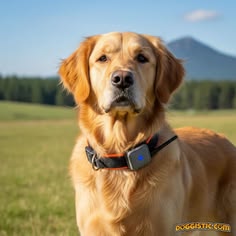
Best GPS Dog Collars: Your dog slips through the backyard gate while you’re inside making lunch. Five minutes later, you walk outside, and they’re gone. No sight, no sound just an empty yard and that gut-dropping panic every dog owner dreads.
It’s a situation nobody wants to experience. Fortunately, technology has made it easier than ever to keep track of our four-legged companions.
The best GPS dog collars offer more than just location tracking. They can help prevent unexpected escapes, create virtual boundaries, monitor daily activity, and give you peace of mind when your dog is exploring outdoors.
But with so many Best GPS Dog Collars available, choosing the right one can quickly become overwhelming. Some promise superior tracking accuracy, others focus on virtual fencing, and many require monthly subscriptions to access their most important features.
After testing several GPS dog collars, I’ve learned that one factor matters more than almost anything else: accuracy and consistency.
A GPS collar needs to do what it promises, whether that’s tracking your dog’s location or reliably warning them when they approach a virtual boundary.
In this guide, we’ll explore the best GPS dog collars, examine their important features, explain how GPS tracking works, and help you decide which option makes the most sense for your dog.
We’ll also take a closer look at the SpotOn Nova, a GPS containment collar that stands out for its virtual fencing technology.
Table of Contents
What Makes the Best GPS Dog Collars Worth Buying?
When comparing best GPS dog collars, it’s easy to get distracted by attractive designs, smartphone apps, and impressive marketing claims.
However, the most important question is simple:
Can you depend on the collar when your dog needs it most?
Some dog owners primarily want a GPS tracker that helps locate a missing pet. Others want a virtual fence that allows their dogs to explore a designated outdoor area without installing a traditional physical fence.
These are two different purposes, and not every Best GPS Dog Collars performs both functions equally well.
Here are the most important factors I consider when evaluating a GPS dog collar:
- Tracking accuracy: How consistently does the collar report your dog’s actual location?
- Virtual fence reliability: Does the collar deliver warnings when your dog approaches the boundary?
- Battery life: Can it operate throughout the day without frequent charging?
- Waterproofing: Can it withstand rain, mud, swimming, and outdoor adventures?
- Comfort: Is it lightweight and appropriately sized for your dog?
- Subscription costs: Are essential features available without recurring payments?
- App experience: Is the tracking interface easy to understand and use?
A good GPS dog collar should offer dependable performance rather than simply an impressive list of features.
SpotOn Nova: One of the Best GPS Dog Collars for Virtual Fencing
Best GPS Dog Collars The most accurate GPS containment collar I’ve personally tested is the SpotOn. So when SpotOn introduced its latest model, the SpotOn Nova, I wanted to see whether the new version could deliver the same dependable performance as its predecessor.
Short answer: My experience was very positive.
Best GPS Dog Collars My dog Poppy and I tested the Nova in several challenging outdoor environments, including areas with dense tree coverage and hilly terrain. These conditions can make GPS positioning more difficult, so they provided useful opportunities to evaluate the collar.
During our tests, Poppy approached the virtual boundary and received the first audible warning. As she moved closer, the second warning activated. When she crossed the boundary, the collar delivered the vibration correction.
The warning sequence performed consistently throughout our testing.
One important detail: I personally keep the static correction feature turned off. Poppy responds well to the audible warnings and vibration, so I haven’t needed to use static correction.
That distinction matters because dog owners should understand the available training options before choosing a containment system.
Why Intermediate Warning Tones Matter
One feature that deserves more attention when comparing the best GPS dog collars is the intermediate warning system.
Best GPS Dog Collars These warnings give dogs an opportunity to recognize that they’re approaching a boundary before receiving the final correction.
During my testing of another collar, I recorded a 14% failure rate for intermediate warning tones. Although the final boundary correction worked during those tests, the missed warnings were concerning.
Imagine a dog running toward a boundary at full speed. If the initial warning doesn’t activate, the dog may have less time to respond appropriately.
This is why I consider warning consistency an important part of evaluating virtual fence technology.
A GPS containment collar should provide predictable warnings rather than relying on a final correction alone.
SpotOn Nova GPS Dog Collar: Features and Benefits
The SpotOn Nova combines Best GPS Dog Collars positioning technology, virtual fencing, and dog training features in one device.
Here are some of the features that stood out during my experience.
Durable and Waterproof Construction
The first thing I noticed was the collar’s solid construction.
It uses heavy-duty silicone and a secure clasp that feels durable while remaining easy to open when removing the collar.
Despite its technology, the overall design is relatively streamlined.
The collar is designed for dogs with neck sizes between 12 and 18 inches, with extension options available for larger dogs.
It also includes different correction-tip sizes to accommodate different coat lengths.
Another important advantage is its waterproof construction. Poppy tested the collar around creeks, mud, and snow, and I didn’t experience any water-related problems.
Advanced GPS Antenna Technology
GPS performance is one of the most important considerations when choosing a virtual fence collar.
The Spot On Nova uses a dual-feed, dual-antenna Best GPS Dog Collars system designed to improve positioning reliability in challenging environments.
This is particularly important in locations where tree coverage, terrain, and other environmental conditions can affect Best GPS Dog Collars signals.
A larger or more advanced antenna doesn’t guarantee perfect accuracy, but GPS hardware and signal performance are important factors when evaluating containment technology.
Easy Virtual Fence Setup
Setting up a virtual fence with SpotOn is relatively straightforward.
After downloading the app and creating an account, you can create boundaries in two ways.
Option 1: Draw your boundary on a map.
This is useful when you want to plan a fence before visiting a particular location.
Option 2: Walk the actual perimeter.
You can walk around the area with your smartphone while the app records your movements and creates a boundary.
Once the perimeter is complete, the app generates the virtual fence.
SpotOn also supports multiple saved fences, making it possible to create boundaries for different locations.
For example, you could create separate fences for:
- Your home property.
- A parent’s backyard.
- A vacation property.
- A regular camping location.
- Other outdoor spaces where your dog spends time.
The system also includes a keep-out zone feature.
This allows you to create restricted areas inside your main boundary, such as vegetable gardens, swimming pools, and driveways.
Dog Training With the SpotOn System
A virtual fence is only useful when your dog understands how to respond to its warnings.
SpotOn provides a step-by-step training program designed to introduce dogs to the system through positive reinforcement.
Poppy became familiar with the collar within approximately two to three days.
Over time, she learned to respond to the audio warnings and turn around before reaching the boundary.
However, training times vary between dogs. Some may require additional practice and supervision.
Always follow the manufacturer’s training instructions and use the least intrusive effective training approach.
What’s New in the SpotOn Nova?
Best GPS Dog Collars The Nova introduces several features designed to improve everyday usability.
Custom Voice Commands
One of my favorite additions is the ability to record custom voice commands.
You can record your dog’s name, recall command, or another familiar instruction through the smartphone app.
The collar can then play your recorded voice through its speaker.
This is particularly helpful when your dog is exploring a large property and you want to call them without shouting across the yard.
Voice Assist
Voice assist provides audible status updates through the collar’s speaker.
These can include information about Best GPS Dog Collars activation, approaching boundaries, and low battery status.
It provides another way to understand what’s happening without constantly checking your phone.
Activity Monitoring
The Nova also includes activity monitoring.
This provides a general overview of your dog’s movement throughout the day.
Although it isn’t a replacement for a dedicated veterinary assessment or comprehensive fitness tracker, activity trends can help owners notice changes in their dog’s daily routine.
Improved Cellular Reception
SpotOn reports improved cellular reception in remote areas compared with previous models.
This can be useful when using optional tracking services in locations where cellular connectivity is limited.
Remember that actual coverage depends on the available network in your location.
GPS Dog Collar Battery Life: What Should You Expect?
Battery life is another important factor when comparing Best GPS Dog Collars dog collars.
According to the product information and my experience, the SpotOn Nova offers approximately:
- 30–36 hours with live tracking enabled.
- More than 40 hours in containment-only mode.
A full charge from a nearly empty battery takes approximately one to two hours.
My routine is simple: when Poppy comes inside, I put the collar on its charger.
Consistent charging is important because even the most advanced GPS dog collar becomes useless when its battery runs out.
Before purchasing any GPS tracker, consider how frequently you’ll use live tracking and whether the battery can accommodate your dog’s daily activities.
Best GPS Dog Collars: Understanding the Price and Subscription Costs
Price is one of the biggest considerations when shopping for the best GPS dog collars.
Some GPS trackers have relatively affordable upfront prices but require monthly subscriptions to access location tracking.
Others have higher initial costs but provide certain essential features without recurring payments.
The SpotOn Nova stands out because its core virtual containment features don’t require a subscription.
You purchase the collar, create your virtual fences, and use the containment system without paying a monthly fee for that core functionality.
However, SpotOn offers optional subscription services for additional features, including real-time tracking and other connected services.
This distinction is important when comparing long-term ownership costs.
For example, a less expensive GPS tracker with a recurring subscription could eventually cost more than a premium device with fewer mandatory ongoing expenses.
Before buying, calculate the total cost over several years rather than comparing only the initial purchase price.
What Is a GPS Dog Collar?
A Best GPS Dog Collars dog collar is a tracking device designed to help owners determine their dog’s location using Global Positioning System technology.
Some GPS trackers attach to an existing collar, while others come as complete collars with tracking technology built in.
Most modern Best GPS Dog Collars dog collars connect to smartphone applications, allowing owners to view their dog’s location on a map.
Depending on the device, additional features may include:
- Real-time location tracking.
- Location history.
- Escape notifications.
- Virtual fencing.
- Activity monitoring.
- Custom safety zones.
- Multi-dog tracking.
Unlike a traditional identification tag, a GPS tracker actively helps you locate your dog.
However, GPS technology alone doesn’t always transmit location information to your phone. Many devices also require cellular connectivity or another communication method.
How Do GPS Dog Collars Work?
Most GPS dog collars follow a relatively simple process.
First, the device receives signals from GPS satellites to calculate its location.
Next, it communicates that location to your smartphone through a supported connection, such as a cellular network.
You can then open the manufacturer’s application and view your dog’s reported position.
The process generally involves three components:
1. GPS positioning
Satellites help the collar determine its geographical location.
2. Communication technology
The collar transmits its location through cellular networks or another supported connection.
3. Smartphone application
The application displays your dog’s location and provides access to tracking features.
It’s important to understand that Best GPS Dog Collars positioning and cellular connectivity are different technologies.
A collar might successfully calculate its position but still struggle to send that information if cellular coverage is unavailable.
Why More Dog Owners Are Choosing GPS Dog Collars
Dogs can disappear for many different reasons.
A loud noise, an open gate, an unfamiliar animal, or a moment of distraction can cause even a well-trained dog to run away.
A GPS dog collar gives owners another way to respond when these situations happen.
Instead of relying entirely on searching the neighborhood, you may be able to check your smartphone and follow the dog’s reported location.
GPS trackers can also be useful for:
- Dogs that regularly explore large properties.
- Active breeds that enjoy running.
- Dogs that accompany their owners on hiking trips.
- Pets that have previously escaped.
- Owners who want additional outdoor safety tools.
Some Best GPS Dog Collars dog collars also offer activity tracking, which can help owners understand general movement and exercise patterns.
However, a GPS collar is a safety tool, not a guarantee that a dog cannot get lost.
How to Choose the Best GPS Dog Collars
Not every Best GPS Dog Collars collar is designed for the same purpose.
Before purchasing one, consider the following features.
1. Real-Time Location Tracking
Look for a GPS collar that offers sufficiently frequent location updates.
Faster updates are especially important when actively searching for a moving dog.
Some devices update every few seconds, while others may take longer depending on their tracking mode and connectivity.
2. Battery Life
Battery performance varies considerably between models.
Some GPS dog collars last a few days under particular usage conditions, while intensive live tracking can reduce operating time.
Always compare manufacturer specifications with real-world usage reports.
3. Weight and Size
Your dog should be able to wear the collar comfortably.
A tracker designed for a large Labrador may be unsuitable for a small Chihuahua.
Check the manufacturer’s recommended dog weight, neck size, and device dimensions before purchasing.
4. Waterproofing
Dogs frequently encounter rain, mud, puddles, and swimming areas.
Look for clear waterproof ratings rather than relying on general marketing descriptions.
For example:
- IP67 generally indicates protection against temporary immersion under specified testing conditions.
- IP68 indicates protection against immersion under manufacturer-defined conditions.
Always check the exact manufacturer’s specifications.
5. GPS Coverage and Connectivity
If you regularly travel or live in a rural area, network coverage deserves particular attention.
Check which cellular networks the device supports and whether they operate in your region.
For remote hiking and hunting, a dedicated radio-frequency or satellite communication system may be more appropriate.
6. Smartphone Application
A GPS tracker is only as convenient as the software that supports it.
Look for an application that offers:
- Clear location maps.
- Reliable notifications.
- Easy boundary management.
- Tracking history.
- Multiple-pet support.
- Straightforward account management.
Read customer reviews to identify recurring complaints about connectivity, battery performance, and software reliability.
The Subscription Question: How Much Do GPS Dog Collars Cost?
Subscription fees are one of the most overlooked expenses when buying a GPS dog collar.
Many cellular-based trackers require an ongoing payment to transmit location information through their supported networks.
Depending on the brand and plan, subscriptions can cost approximately $6–$15 per month, although actual prices vary.
That means annual subscription expenses could add another $72–$180 to your ownership costs.
Before buying, check:
- Whether a subscription is mandatory.
- Which features require a subscription.
- Whether annual plans are available.
- Whether international coverage is included.
- Whether tracking continues when the subscription expires.
A collar without mandatory subscription fees for its core containment features may offer better long-term value for owners who primarily need virtual fencing.
GPS Dog Collar vs. Microchip: What’s the Difference?
Best GPS Dog Collars collars and microchips both help improve pet safety, but they serve completely different purposes.
A microchip is a small identification device implanted beneath your dog’s skin.
It contains an identification number associated with your contact information in a registration database.
A microchip does not contain GPS tracking technology and cannot show your dog’s location.
A GPS dog collar, on the other hand, actively tracks your pet’s location through supported positioning and communication technologies.
Here’s a quick comparison:
| Feature | GPS Dog Collar | Microchip |
|---|---|---|
| Tracks live location | Yes, if supported | No |
| Requires a battery | Yes | No |
| Requires an implanted device | No | Yes |
| Helps identify a found dog | Not necessarily | Yes, when registered |
| Requires network connectivity | Depends on device | No |
The best approach is to use both.
A microchip provides permanent identification, while a GPS collar can help you locate your dog when they wander away.
Different Types of GPS Dog Collars
Understanding the different tracking technologies can help you choose the right device.
1. Cellular GPS Dog Collars
These devices use Best GPS Dog Collars satellites for positioning and cellular networks to transmit location information.
They are popular for everyday tracking because they can work across large geographical areas where supported cellular coverage exists.
The main disadvantage is that most require a subscription.
2. Bluetooth Dog Trackers
Bluetooth trackers communicate with nearby smartphones or compatible devices.
They are generally affordable and lightweight.
However, their range is limited compared with dedicated GPS tracking systems.
Some use community-finding networks to help locate devices outside direct Bluetooth range, but this isn’t the same as continuous GPS tracking.
3. Radio Frequency Dog Trackers
Radio-frequency tracking systems use dedicated radio signals and a handheld receiver.
They can be useful for hunting dogs and outdoor activities where cellular coverage is unavailable.
Their performance depends on the device, terrain, antenna, and environmental conditions.
4. Wi-Fi-Based Pet Tracking
Wi-Fi can help identify a device’s location around known wireless networks.
However, Wi-Fi-only tracking isn’t a reliable substitute for a dedicated Best GPS Dog Collars system when dogs travel beyond familiar network coverage.
5. GPS and Activity Tracking Collars
Some modern devices combine GPS location tracking with activity and health-related monitoring.
They may provide information about daily movement, exercise, and rest patterns.
These features are useful for owners who want both location information and general activity trends.
6. Satellite Communication Trackers
Satellite communication devices are designed for outdoor environments where cellular coverage may be unavailable.
They can be useful for remote adventures and certain hunting applications.
However, they may require more expensive equipment and service plans.
Top Features Found in the Best GPS Dog Collars
When comparing different products, look for features that provide genuine practical benefits.
Escape alerts: Notifications when your dog leaves a designated safe area.
Live tracking: Frequent location updates when your dog is moving.
Virtual fencing: Digital boundaries that can provide warnings or other containment responses.
Activity monitoring: Information about daily movement and rest.
LED lights: Helpful for locating your dog in low-light conditions.
Multi-dog support: Manage multiple Best GPS Dog Collars devices from one smartphone application.
Location history: Review where your dog has traveled.
Community finding: Some services use networks of other users to help locate missing pets.
Not every collar includes all these features, so prioritize the ones that match your needs.
Tips for Getting the Most Out of Your GPS Dog Collar
Buying the best GPS dog collar is only the first step. Using it properly is equally important.
Here are some practical tips.
- Charge regularly: Establish a charging routine so your tracker is ready whenever you need it.
- Create safe zones: Set up your home boundaries and frequently visited locations before relying on the device.
- Test the tracker: Check location updates in familiar outdoor environments.
- Keep software updated: Install available firmware and application updates.
- Check the fit: Make sure the device is comfortable and securely positioned.
- Understand connectivity: Learn where your tracker works and where coverage may be limited.
- Train your dog: If your collar includes virtual containment, follow the manufacturer’s training program.
- Keep identification current: Make sure your dog’s identification tag and microchip registration contain updated contact information.
Remember that no GPS system is completely immune to signal problems, battery failures, or connectivity interruptions.
A physical fence, supervision, and proper identification remain important safety measures.
Are GPS Dog Collars Right for Every Dog?
Not every dog owner needs an expensive GPS tracking device.
If your dog spends most of its time indoors and only goes outside for supervised walks, you may not need advanced GPS tracking.
However, a GPS dog collar can be particularly helpful for:
- Huskies and other active breeds.
- Beagles and scent-driven dogs.
- Border Collies and energetic working breeds.
- Dogs with a history of escaping.
- Pets that regularly explore large properties.
- Dogs that accompany owners on outdoor adventures.
The right choice depends on your dog’s behavior, environment, and lifestyle.
For owners who want virtual fencing, containment reliability should be a major consideration.
For owners who primarily want to find a missing dog, tracking speed, location accuracy, and network coverage should take priority.
What Do Real Dog Owners Say About GPS Dog Collars?
Many dog owners appreciate the additional reassurance that GPS tracking provides.
Consider a dog that escapes during a fireworks display or slips through an open gate.
Without a tracker, the owner may have to search nearby streets, contact neighbors, and wait for someone to report a sighting.
With a functioning GPS tracker, the owner may be able to view the dog’s reported location and begin searching more efficiently.
These situations explain why Best GPS Dog Collars dog collars have become increasingly popular among owners of adventurous and escape-prone dogs.
However, individual experiences vary, and customer testimonials should not replace independent product testing.
When reading reviews, pay particular attention to reports about tracking accuracy, battery performance, connectivity, and customer support.
Frequently Asked Questions About the Best GPS Dog Collars
1. What are the best GPS dog collars in 2026?
The best GPS dog collar depends on your priorities. SpotOn Nova is worth considering for GPS-based virtual fencing, while cellular trackers and dedicated outdoor tracking systems may be more appropriate for owners who prioritize locating missing dogs or exploring remote areas.
2. Do GPS dog collars require a monthly subscription?
Not all GPS dog collars require subscriptions. Many cellular-based trackers charge recurring fees for location transmission. Some containment systems, including SpotOn’s core virtual fencing functionality, can operate without a mandatory monthly subscription.
3. What is the most accurate GPS dog collar?
Accuracy depends on the GPS hardware, satellite visibility, environment, software, and tracking conditions. Look for independent testing that evaluates performance in open areas, wooded environments, and locations with changing terrain.
4. Do GPS dog collars work without cellular service?
Some GPS collars can calculate their location without cellular service, but transmitting that location to your smartphone may require a network connection. Dedicated radio-frequency and satellite communication devices offer alternatives for remote environments.
5. Can a GPS dog collar prevent dogs from escaping?
A GPS tracker alone cannot physically prevent a dog from leaving an area. However, virtual fence systems can provide warnings and other training responses when dogs approach designated boundaries.
6. How long does a GPS dog collar battery last?
Battery life varies by manufacturer, model, and usage. Continuous live tracking generally consumes more power than less frequent location updates or containment-only operation.
7. Are GPS dog collars waterproof?
Many modern GPS dog collars are designed for outdoor use, but waterproof protection differs between models. Check the official IP rating and manufacturer’s immersion specifications before allowing your dog to swim with the device.
8. Is a GPS collar better than a microchip?
They serve different purposes. A GPS collar helps locate your dog, while a microchip provides permanent identification if someone finds your pet. Using both offers more comprehensive protection.
Final Verdict: Are the Best GPS Dog Collars Worth It?
A GPS dog collar won’t eliminate every risk or guarantee that your dog will never get lost. However, it can provide valuable information and help you respond more quickly when unexpected situations happen.
If you’re comparing the Best GPS Dog Collars, focus on the features that matter most: tracking accuracy, battery performance, waterproofing, connectivity, comfort, and long-term ownership costs.
For dog owners who prioritize virtual fencing, the SpotOn Nova deserves consideration because of its containment features, customizable boundaries, and subscription-free core containment functionality.
Its custom voice commands, activity monitoring, and improved connectivity features also make it an interesting option for owners who want more than basic location tracking.
For Poppy and me, the experience has been positive. She has more opportunities to explore, and I have another tool to help keep her safe.
Ultimately, the best GPS dog collar is the one that matches your dog’s needs, your environment, and the level of protection you want.
Your dog depends on you for safety. Choosing the right tracking technology is one practical way to look after them.










Post Comment