Leash Training Your Dog: Easy Step-by-Step Techniques
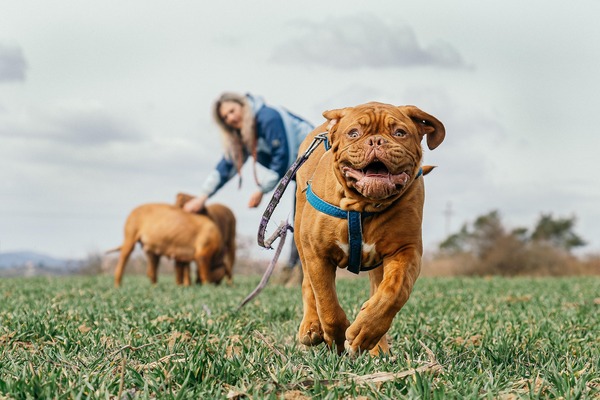
Leash Training Your Dog Sound familiar? Crate training your puppy is one of the best things you can do for them and for you. Done right, it gives your puppy a safe, calm space that’s entirely their own. A crate offers more than security. It helps with house training, cuts down on destructive behavior, and shows your dog that being alone is okay. If you’re also focused on leash training your dog, a well-crate-trained puppy will adapt much faster to outdoor walks.
But crate training done wrong — using the crate as a punishment, leaving a puppy in it too long, rushing the process — can create anxiety, resentment, and a puppy who screams every time they see the crate door close. That same anxiety makes leash training your dog harder down the line.
This guide walks you through how to do it right. From choosing the correct crate size to handling nighttime crying to knowing exactly when your puppy is ready for more freedom — and ready for leash training your dog — it’s all here. Let’s get into it.
Table of Contents
What Is Crate Training and Why Does It Work?
Crate training a puppy focuses on using a dog crate as a safe, structured tool. Think of it as a den. It helps your puppy feel secure, learn house manners, and build independence over time — the same independence that makes leash training your dog so much easier.
Here’s the thing about dogs that makes this work: they’re den animals by nature. Their ancestors sought out small, enclosed spaces to rest because those spots felt secure. A properly introduced crate taps into that instinct. When your puppy learns to see their crate as a comfortable, personal space rather than a cage, they actually want to be in it.
That’s the goal. A puppy who walks into their crate on their own, curls up, and takes a nap without a peep — that’s what crate training looks like when it’s working. And that calm, settled energy is exactly what you need when training your dog.
The benefits go beyond comfort:
- House training becomes much faster. Puppies naturally avoid messing up their sleeping area. A crate helps them learn bladder control better than roaming freely can.
- Your home stays intact. A puppy loose in the house unsupervised is a puppy chewing baseboards, power cords, and your favorite shoes.
- Your puppy stays safe. Crates prevent access to hazards when you can’t keep eyes on them.
- It builds a foundation for independence. A dog who is comfortable in a crate handles alone time, travel, and vet stays far better than one who has never learned to self-soothe — and is far more ready for leash training your dog in new environments.
Choosing the Right Crate: Size Really Does Matter
Before you can start crate training your puppy, you need the right crate and the size is the most critical factor most new owners get wrong. Getting this right is also essential before you begin leash training your dog, since a well-rested, crate-comfortable puppy is a much easier student.
The crate should be just big enough for your puppy to stand up, turn around, and lie down comfortably. That’s it. No bigger.
Here’s why: if the crate is too large, your puppy has room to sleep in one corner and use the bathroom in another. That defeats the whole purpose. The natural reluctance to soil their sleeping space only works if the sleeping space fills the whole crate.
If you have a large-breed puppy who’s going to double or triple in size, buying a full-size crate with a divider panel is the smart move. You adjust the divider as they grow, keeping the space appropriately snug the whole time. This saves money and avoids buying multiple crates as they grow.
Crate types to consider for leash training your dog and crate training together:
- Wire crates — the most popular choice. Good ventilation, visibility, folds flat for storage. Most come with a divider panel.
- Plastic travel crates — more enclosed and den-like, which some puppies actually prefer. Great for travel and early leash training your dog outings too.
- Soft-sided crates — lightweight and portable, but not ideal for puppies who chew or are still working on crate acceptance.
- Furniture-style crates — look like end tables and blend into your home. Better suited for dogs who are already crate-trained and progressing well with leash training your dog.
For most new puppy owners, a wire crate with a divider is the go-to starting point.
Setting Up the Crate So Your Puppy Actually Wants to Use It
Where you put the crate and how you set it up matters more than most people think. A good crate setup creates the calm foundation your puppy needs — both for settling at home and for leash training your dog outside.
Place it in a spot where your family spends time — a living room corner, near the kitchen, wherever you tend to be during the day. Your puppy wants to be near you. A crate tucked away in a basement or a spare room will feel like isolation, not comfort.
At night, especially in the early weeks, move the crate to your bedroom. This is important. A puppy who can hear and smell you will settle much more quickly than one left alone in another room. You can gradually move the crate toward its permanent home once your puppy is sleeping through the night reliably.
Inside the crate:
- A soft blanket or crate mat (avoid thick bedding until you’re confident they won’t chew and swallow it)
- A worn t-shirt or pillowcase that smells like you — this is genuinely one of the most effective comfort tools there is
- A safe chew toy or a Kong stuffed with something good
- Cover three sides of a wire crate with a blanket to make it feel more den-like and less exposed
Leave the door open initially. Let your puppy wander in and out freely for the first day or two. Toss treats inside. Feed meals near the crate, then inside it. The goal is to build a positive association before you ever close that door — the same patient, reward-based approach you’ll use when leash training your dog.
Step-by-Step Crate Training Schedule for Puppies
Crate training works best when it follows a predictable, structured rhythm — just like leash training your dog benefits from short, consistent daily sessions. Here’s a practical framework to build around.
Week One: Introduction and Short Sessions
- Day 1–2: Crate door stays open. Drop treats inside. Let your puppy explore at their own pace. Never push or lure them in with force.
- Day 3–4: Start feeding meals inside the crate with the door open. Once they’re eating comfortably, gently close the door while they eat, then open it immediately when they finish.
- Day 5–7: Begin closing the door for 5–10 minutes at a time while you’re in the room. Sit nearby. Read a book. Act completely unbothered because your energy matters. If you hover anxiously, your puppy picks up on that.
Week Two: Building Duration
Gradually extend crate time to 20–30 minutes. Start stepping out of sight for short periods. Give your puppy a stuffed Kong or a safe chew at the start of each session. This gives them something fun to do. Plus, it helps them learn that crate time means good things. By the end of week two, most puppies can handle 1–2 hours in the crate without significant distress — and are ready to begin leash training your dog in the backyard.
Week Three and Beyond: Consolidation
Build toward the appropriate maximum crate time for your puppy’s age. A general rule: one hour per month of age, plus one. A 3-month-old puppy can manage about 3–4 hours maximum during the day. Never push beyond what’s physically reasonable.
Maintain this puppy crate training schedule consistently. Meals, naps, nighttime sleep — all done in or around the crate. The more the crate becomes part of your puppy’s natural daily rhythm, the faster they settle into it. This consistency also carries over when you start leash training your dog — routine is everything.
Crate Training at Night: How to Survive the First Few Weeks
Nighttime is where crate training gets hard. And honestly? It’s worth being upfront about that. Getting through these first weeks successfully sets the tone for everything that follows — including leash training your dog.
The first few nights with a new puppy in a crate are rough for most people. Your puppy is in a new home, away from their mom and littermates for the first time. Everything smells different. Everything sounds different. And now they’re expected to sleep alone in a box.
Of course they cry.
Here’s what actually helps:
- Put the crate in your bedroom. Right next to your bed if possible. Being able to hear you breathe is genuinely calming for a young puppy. You can hang your hand down by the crate so they can smell you if they wake up anxious.
- Tire them out before bed. A good play session 30–45 minutes before crate time, followed by a calm wind-down, helps your puppy settle faster.
- Take them out for a last bathroom trip immediately before crating for the night. Don’t skip this — a full bladder is a guarantee of nighttime crying that has nothing to do with anxiety.
- Set an alarm for a nighttime bathroom break. Young puppies cannot hold it through the night. A 2-month-old puppy needs a break every 2–3 hours. A 3-month-old can usually manage 3–4 hours. Set your alarm, take them out calmly and quietly (lights low, no playtime, no conversation beyond what’s needed), and put them straight back in the crate.
- Don’t reward crying with attention. This is the hard part. If your puppy whines and you immediately open the crate, you’ve just taught them that crying = freedom. Wait for a pause in the noise, even a brief one, before opening the door. That pause is what you reward — the quiet, not the crying. This same principle applies when leash training your dog and they react to distractions.
It gets better. Most puppies significantly improve by the end of the second week. By 12–16 weeks, many sleep through the night reliably. Hold on.
Why Is My Puppy Crying in the Crate? (And What To Do)
Puppy crying in the crate is one of the most common questions dog owners ask — and one of the most emotionally draining parts of early training. Handling it well builds the patience and consistency you’ll also need when leash training your dog.
First, distinguish between two different kinds of crying:
- Protest crying — your puppy is unhappy about being confined and expressing it. They’re not in distress, they’re just annoyed. This is normal. The response is to wait it out without reinforcing it.
- Panic or distress — your puppy is genuinely frightened, not just frustrated. Signs include inability to settle even briefly, frantic scratching, hyperventilating, or vomiting. This is less common but signals that the crate introduction went too fast or your puppy may have underlying separation anxiety.
For protest crying: Stay calm. Don’t rush to the crate. Don’t yell at them to be quiet (this just adds stress). Wait for a natural pause, however brief, then calmly let them out. Build tolerance slowly. Focus on shorter, successful sessions. Avoid long periods of distress.
For genuine distress: slow the whole process down. Go back to leaving the door open, building positive associations from scratch. Consider consulting a professional trainer or your vet, especially if distress seems severe. Some puppies need extra help with separation anxiety — and that same trainer can also guide you through leash training your dog if reactivity is a concern.
How Long Can a Puppy Stay in a Crate?
This question has a clear answer, and respecting it is non-negotiable.
| Puppy Age | Max Crate Time (Daytime) |
|---|---|
| 8–10 weeks | 30–60 minutes |
| 11–14 weeks | 1–3 hours |
| 15–16 weeks | 3–4 hours |
| 17+ weeks | 4–5 hours |
Adult dogs (over 18 months) can typically handle 6–8 hours, though making a dog spend most of their day in a crate isn’t fair or healthy regardless of age.
The crate is a management tool, not a babysitter. If your schedule genuinely requires your puppy to be home alone for 8–10 hours, a crate is not the right solution for those stretches. Consider a puppy-proofed room with a pen, a dog walker, or doggy daycare for those longer periods — especially during active leash training your dog phases when daily exercise and stimulation matter most.
Common Crate Training Mistakes That Slow Everything Down
Even well-meaning owners make these errors. Knowing them means you can skip them entirely. And avoiding them will make leash training your dog go much more smoothly too.
Using the Crate as Punishment If the crate becomes the place your puppy goes when they’ve done something wrong, they’ll start dreading it. The crate should always be associated with good things — meals, treats, rest, toys. Never a consequence.
Rushing the Introduction Putting your puppy in the crate on day one and closing the door for two hours is a recipe for panic. The slow build helps dogs explore their crate. Positive associations, short sessions, and gradual extensions make all the difference. This approach turns fear into love for the crate — and mirrors the patient method you should use when leash training your dog.
Letting Them Out When They’re Crying Understandable, but counterproductive. Every time you open the crate in response to crying, you reinforce that crying is an effective strategy. Wait for quiet. Always.
Covering the Whole Crate A blanket over three sides = den-like comfort. A blanket over all four sides including the door = stuffy and claustrophobic. Leave the front open for airflow and visibility.
Skipping the Daytime Practice Some owners only use the crate at night, then wonder why their puppy panics during the day. Daytime crate naps and rest periods are just as important as nighttime use. The more normal the crate feels throughout the day, the easier everything gets — including leash training your dog, which requires a calm, settled dog as a baseline.
Crate Training an Older Puppy: It’s Not Too Late
If you’ve adopted an older puppy — say 5, 6, or even 8 months — who has never been crate trained, the process looks very similar, just with a few adjustments. The same goes for leash training your dog when starting later than ideal.
Older puppies often have more bladder control, which is helpful. But they may also have more established habits, stronger opinions, and more energy to resist something new. Patience matters here more than speed.
Go back to the basics. Open crate, positive associations, gradual build. Don’t think an older puppy can handle long crate times just because they can hold their bladder longer.
The good news: older puppies tend to catch on faster once they understand what’s happening. The learning curve is shorter, even if the initial resistance is higher. And the same is true for leash training your dog — it’s never too late to start.
When Is Your Puppy Ready to Graduate from the Crate?
This is genuinely one of those “it depends” answers — and it’s okay to be patient about it.
Most trainers suggest waiting until your dog is 12–18 months old before giving full, unsupervised house freedom. Most dogs outgrow the destructive chewing phase. They are usually house-trained and have enough impulse control to make good choices when left alone — and are well into leash training your dog by this point.
Signs your puppy might be ready for more freedom:
- No accidents for several weeks consistently
- No destructive behavior when supervised in the house
- Calm and settled when left alone in a room briefly
- Over 12 months old and past the heavy chewing phase
Start small. Leave them loose in one puppy-proofed room with a camera you can check. Build from there. Some dogs do beautifully with freedom at 12 months. Others need another six months. Follow your dog, not a timeline.
Positive Reinforcement: The Only Crate Training Method Worth Using
In this guide, one thing stands out: using positive reinforcement to help your pet accept the crate. It’s not just a style choice. This method truly strengthens your bond with your dog and keeps them safe. The same is true when leash training your dog — rewards and patience always outperform punishment.
Punishment methods like spraying water, yelling, or shaking the crate might make a dog go into the crate. But they won’t create a dog that enjoys being there. The difference matters enormously for long-term behavior, anxiety levels, and the bond between you and your dog — whether you’re closing a crate door or leash training your dog on a busy street.
Treats, praise, stuffed Kongs, calm energy, and patience — these are your tools. They work for crate training. They work for leash training your dog. And they build a dog who trusts you, which makes every aspect of training easier in the long run.
A Few Final Thoughts
Crate training a puppy is one of those things that feels hard in the middle of it and obvious in hindsight. A few weeks of consistency, some lost sleep, a lot of treats — and on the other side, you have a dog with genuine life skills. A dog who can settle. Who handles travel and vet visits and changes in routine without falling apart. A dog who is ready for leash training your dog in the real world.
That dog is worth the work.
You’re not being cruel by using a crate. You’re giving your puppy structure, safety, and a space that belongs entirely to them. Most dogs, once properly trained, genuinely love their crates and choose to go in them on their own. That’s the goal. You’ll get there. And when you do, leash training your dog will feel like the natural next step — because you’ve already built the foundation together.














Post Comment